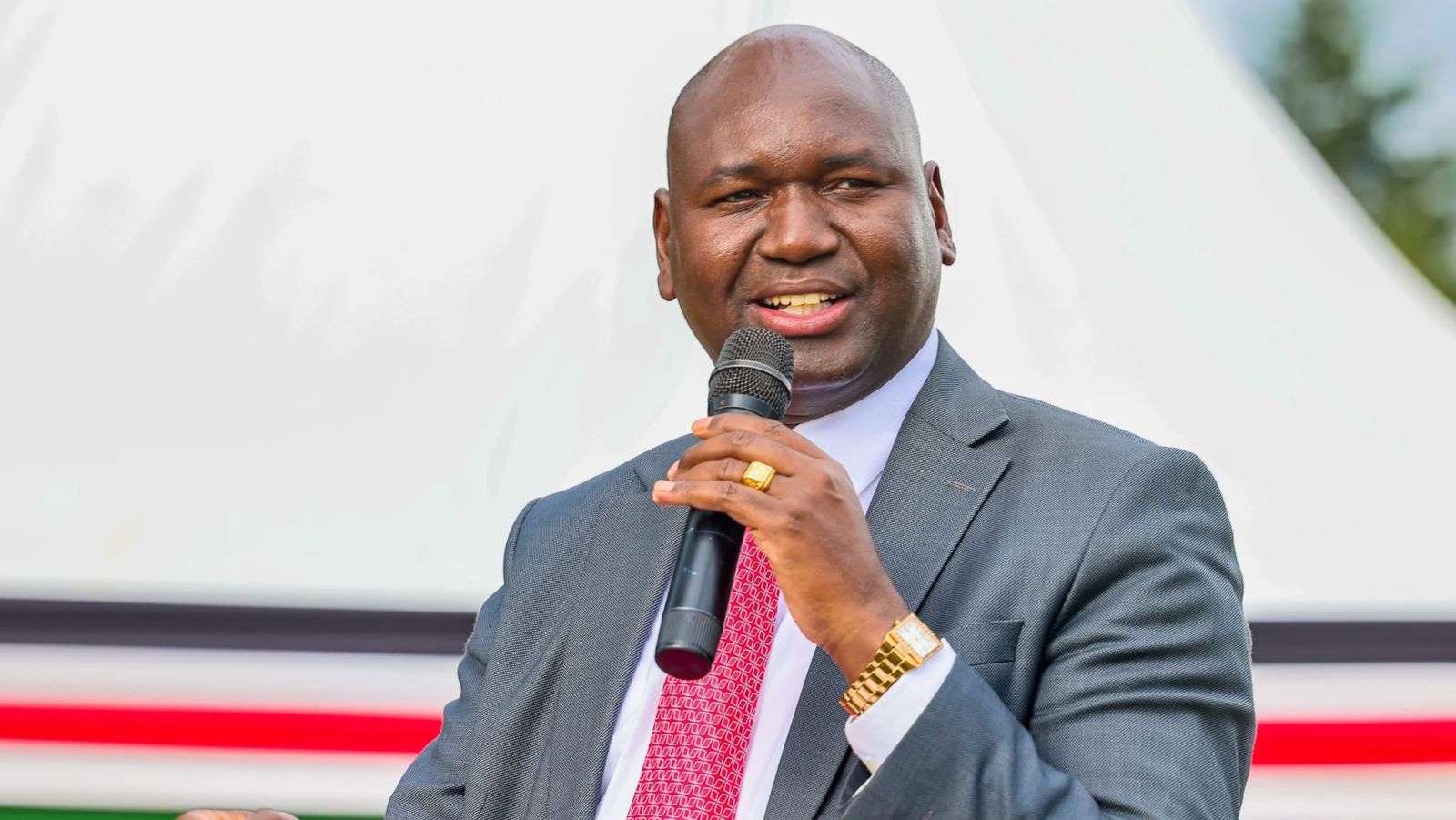
Interior Cabinet Secretary Kipchumba Murkomen has ordered a new nationwide crackdown on illicit alcohol and drugs.
In a statement on Wednesday, January 7, the CS said the directive followed presidential instructions issued during the New Year Address, adding that the scale of the problem had become a threat to the country’s future.
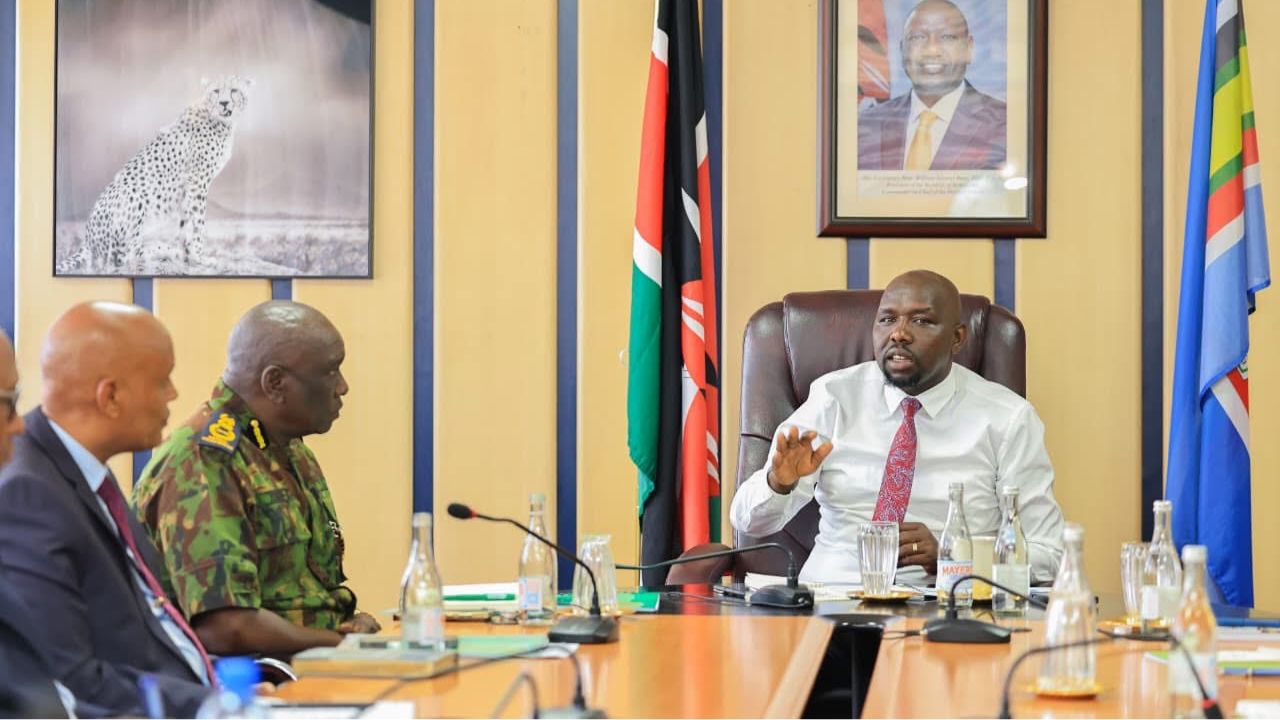
Murkomen explained that the first step involved convening a high-level, multi-agency meeting to align enforcement and regulatory bodies on a unified national strategy.
"The prevalence of illicit alcohol and drugs in our country has reached alarming levels, posing a serious threat to the future of our nation. In his New Year Address, H.E. the President directed our Ministry to urgently upscale the fight against this menace.
"Today, I convened a multi-agency meeting bringing together relevant law enforcement and regulatory agencies to set the ball rolling on an enhanced national response to the proliferation of illicit alcohol and drugs," he said.
Read More
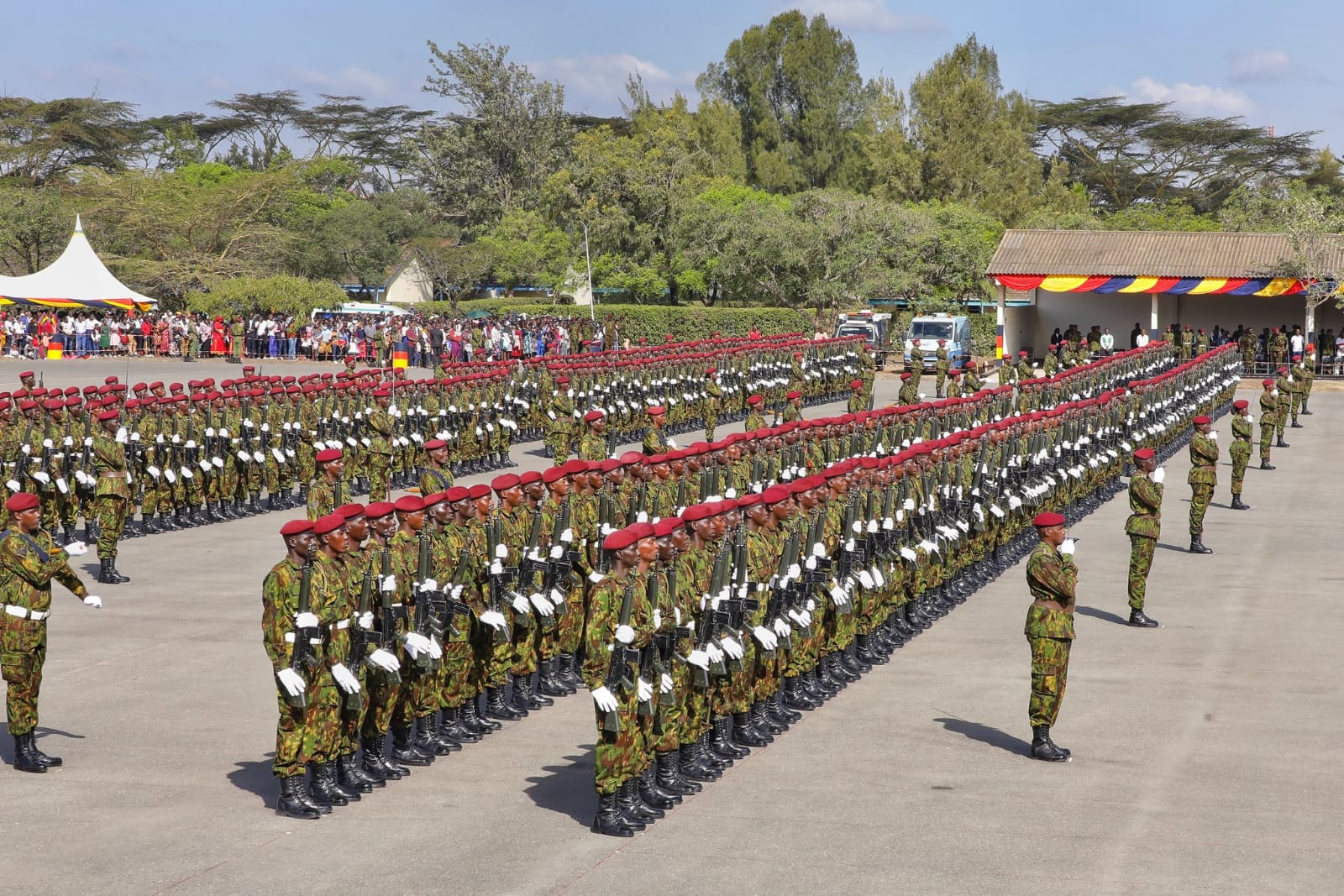
Murkomen said the meeting resolved to reinforce the country’s anti-narcotics capacity by increasing personnel and strengthening operational readiness.
"We resolved to immediately strengthen the Anti-Narcotics Unit through the deployment of additional officers, with the numbers to be increased progressively to the requisite strength by the end of the year," he added.
Murkomen noted that enforcement agencies would immediately launch a nationwide operation targeting supply chains, financiers, and profiteers of illicit alcohol and drug trafficking, including confiscation of illegally acquired assets.
"Further, a multi-agency team will commence work immediately to coordinate a nationwide crackdown on the distribution of illicit ethanol and drugs. This operation will include the seizure of assets and property acquired from the proceeds of illicit alcohol and drug trafficking, in accordance with the law," he further said.

Murkomen also said the government would tighten surveillance and enforcement at border points and transit corridors while working with county governments to address the rehabilitation needs of affected individuals.
"We shall also enhance policing along ungazetted border points and major transit routes to disrupt the supply of these harmful substances. In addition, the team will collaborate closely with county governments to strengthen rehabilitation and recovery programmes for victims of drug and substance abuse," he concluded.
Speaking during the New Year Address on Wednesday, December 31, President William Ruto labeled the rising abuse of alcohol and drugs as a national crisis.
He stated that no individual, including public officials, will be exempt from the government’s crackdown on addiction and illegal networks.
"One in every six Kenyans aged between 15 and 65, that is over 4.7 million people, is currently using at least one drug or substance of abuse. This is no longer a marginal issue; it is a national emergency," he said.
In his address, Ruto also highlighted that the brunt of substance abuse is borne largely by men and younger citizens.
"One in every three Kenyan men in this age group uses drugs or alcohol. Among young adults aged 25 to 35, our most productive population, one in five is affected. Over 1.5 million young Kenyans are being pulled away from opportunity into dependency.
"Kenya cannot grow, compete, or remain secure when millions are trapped in addiction. This crisis demands decisive national action," he added.
To tackle the problem, Ruto said the government is set to bolster the Anti-Narcotics Unit, equipping it with operational capabilities on par with the Anti-Terrorism Police Unit.
The upgraded unit will feature advanced surveillance, intelligence, forensic, and financial-investigation tools and will function as a permanent multi-agency force.
It will work closely with NACADA, the National Intelligence Service, border authorities, county administrations, and international collaborators.
Additionally, personnel strength will increase from 200 to 700 officers through a combination of recruitment and redeployment, all trained to operate nationwide against major traffickers, financiers, and organized crime syndicates.
"Asset tracing, seizure, and forfeiture will become central to every narcotic and illicit alcohol investigation. All assets, including cash, vehicles, land, buildings, and businesses acquired through these crimes, will be treated as proceeds of crime, promptly frozen, prosecuted, forfeited to the State, and redirected to rehabilitation, prevention, and treatment programmes," Ruto further said.