
Editor's Review
The lawmaker said he only attends parliament when there is a serious business to be transacted.
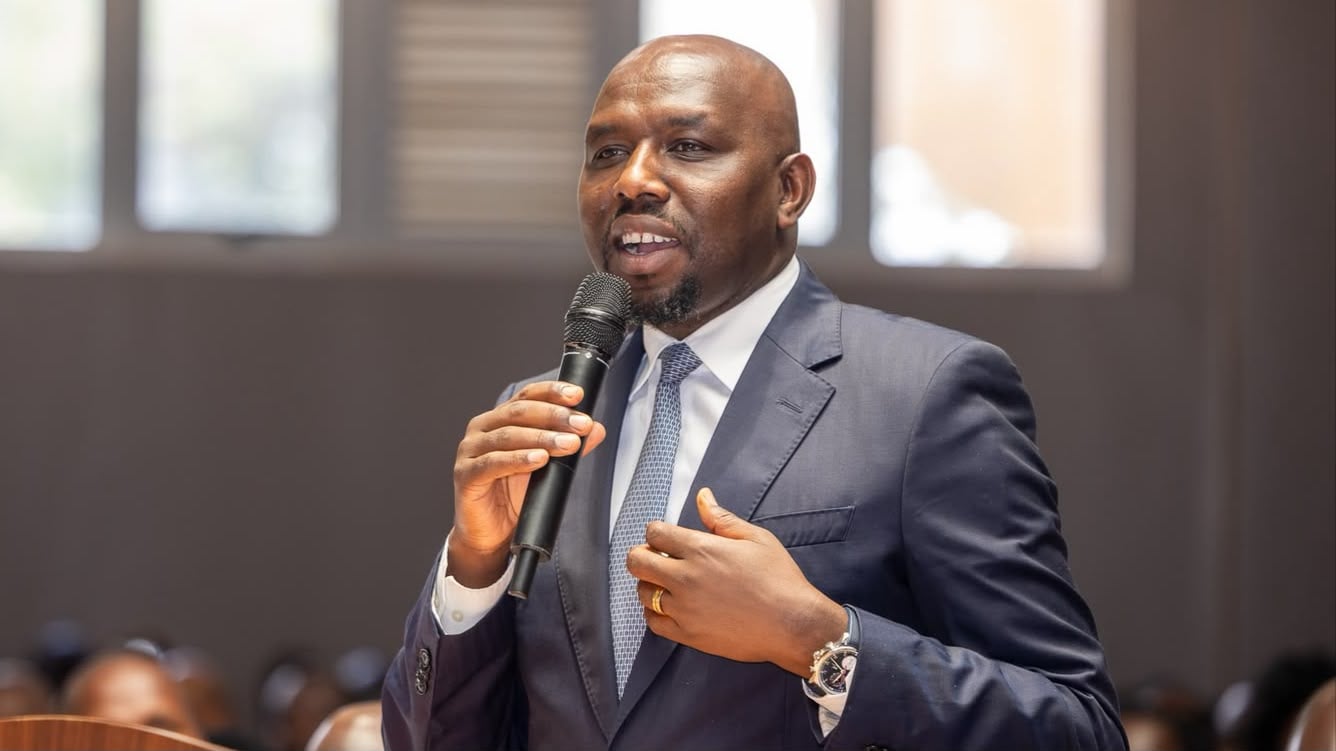
Kapseret MP Oscar Sudi has admitted to his disinterest in routine parliamentary proceedings.
The lawmaker, who is serving his third term in the National Assembly, revealed he never finds pleasure in joining his colleagues in the chambers, unless there is an important business to be transacted.
Without delving much into it, Sudi revealed that he has a weakness that affects how he carries himself in the National Assembly.
"I rarely go. I have a small weakness, and it is not my making. But I would always go when there is serious business in the house," he said.
His admission aligns with previous surveys, which listed him among lawmakers who are inactive on the floor of the house.
Read More
For instance, a previous survey conducted by Mzalendo Trust featured him among 19 legislators who consistently remain silent during parliamentary proceedings or do not attend at all.

The absence of their contribution to discussions on key national issues and constituency concerns highlighted a failure to fulfil one of the fundamental responsibilities of parliamentarians, representing the people’s voice.
Even in serious businesses in the house, the likes of Sudi would not show up until the matters reach advanced stages.
An instance was drawn from the 2024 Finance Bill in which he was never part of the initial stages of the bill. He only showed up during voting.
Nonetheless, despite his inactivity in legislation, the MP takes pride in the work he has done for his constituents since his election in 2013.
Among the areas he prides himself in having streamlined is in education, where he said he scrapped fees for day schools across Kapseret.
The lawmaker says he has established at least five-day schools to provide easy access to education for students from low-income households.
Besides the concession of fees, the lawmaker said he runs a free lunch programme for public schools, funded from his pocket.
According to him, his initiatives in education have seen enrolments in school improve.
"When parents were paying the fees, the number of students was low, but when we came in and paid 100% of the fees, schools that had 300 students now have between 500 and 600. It means many parents could not pay for the fees, and we came to pay for all students in all the day schools in Kapseret," he said.