
Editor's Review
The Ministry of Agriculture is shifting its focus toward sugarcane ethanol production as part of a broader plan to reduce fuel costs.
The government is shifting its focus toward sugarcane ethanol production as part of a broader plan to reduce fuel costs, strengthen the sugar sector and create employment opportunities in rural areas.
The strategy emerged during the 68th International Sugar Organization Seminar held in Diani on Tuesday, May 26, where leaders pointed to Brazil’s successful sugarcane-to-ethanol model as a possible blueprint for Kenya’s future energy and agricultural policies.
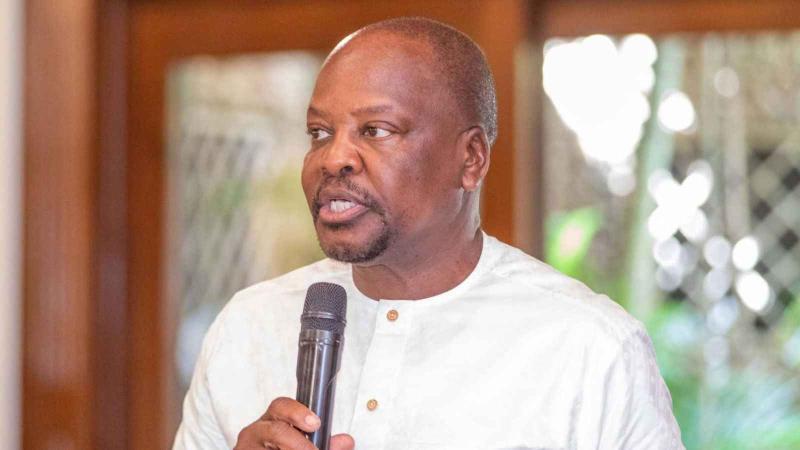
During the forum, Deputy President Kithure Kindiki and Agriculture Cabinet Secretary Mutahi Kagwe outlined plans that would position sugarcane not only as a source of sugar, but also as a major contributor to the country’s energy needs.
Presentations at the conference highlighted how Brazil has used ethanol-blended fuel over the years to cushion consumers from rising gasoline prices, reduce dependence on imported oil and expand its sugar industry.
Delegates heard that ethanol fuel in Brazil remains cheaper than regular gasoline and that the country has replaced billions of barrels of gasoline with ethanol over the last five decades.
Read More
Kindiki said the government intends to review the Sugar Act and existing regulations to formally incorporate ethanol production into Kenya’s legal and economic framework.
The administration is also expected to work alongside the Energy and Petroleum Regulatory Authority to establish fuel blending regulations.
At the center of the discussions was Kagwe, who argued that Kenya must broaden its view of the sugar industry and fully exploit the wider sugarcane value chain.
"We are now thinking about ethanol seriously from sugar especially with the global disruption of fuel prices," he said.
Kagwe further suggested that sugar may eventually stop being the primary product derived from sugarcane as the country embraces industrial diversification.
"We want sugar to become a by-product in Kenya, not the only product," he added.

Kenya is now examining Brazil’s integrated sugarcane system, where ethanol production, electricity cogeneration, industrial alcohol and sustainable biofuels have turned sugarcane into a major industrial commodity.
According to Kagwe, reforms introduced under the Sugar Act 2024 are already paving the way for modernization in the sector, including investment in ethanol manufacturing, cogeneration and value addition projects.
The government also linked the proposed ethanol expansion to climate resilience and energy security, noting that locally produced biofuels could reduce Kenya’s reliance on imported petroleum products while guaranteeing farmers a more stable market for their cane.
Meanwhile, Energy Cabinet Secretary Opiyo Wandayi has assured Kenyans that the country has adequate fuel supplies despite ongoing global supply and logistics challenges.
In an update after conducting inspections in Machakos County, Wandayi said he carried out spot checks at several petrol stations to assess the availability and distribution of fuel.
"Today, I conducted spot checks at petrol stations across Machakos County to assess fuel availability and distribution amid ongoing global supply and logistics challenges," he said.
Wandayi noted that the government was closely monitoring the situation together with industry players to ensure there are no disruptions in the market.
"I wish to assure Kenyans that the country has sufficient fuel stocks under both strategic and commercial reserves, with supply continuing normally through established import and distribution channels," he added.
Wandayi further stated that authorities were focused on maintaining stability in the energy sector while also strengthening the country’s long-term fuel security measures.
"The Government and industry stakeholders remain vigilant to ensure market stability and uninterrupted fuel supply, while continuing to strengthen Kenya’s long-term energy security through expanded infrastructure, diversified supply sources, and investment in renewable energy," he further said.



 (1)-1792314340-md.jpg)




 (1)-1792314340-sm.jpg)