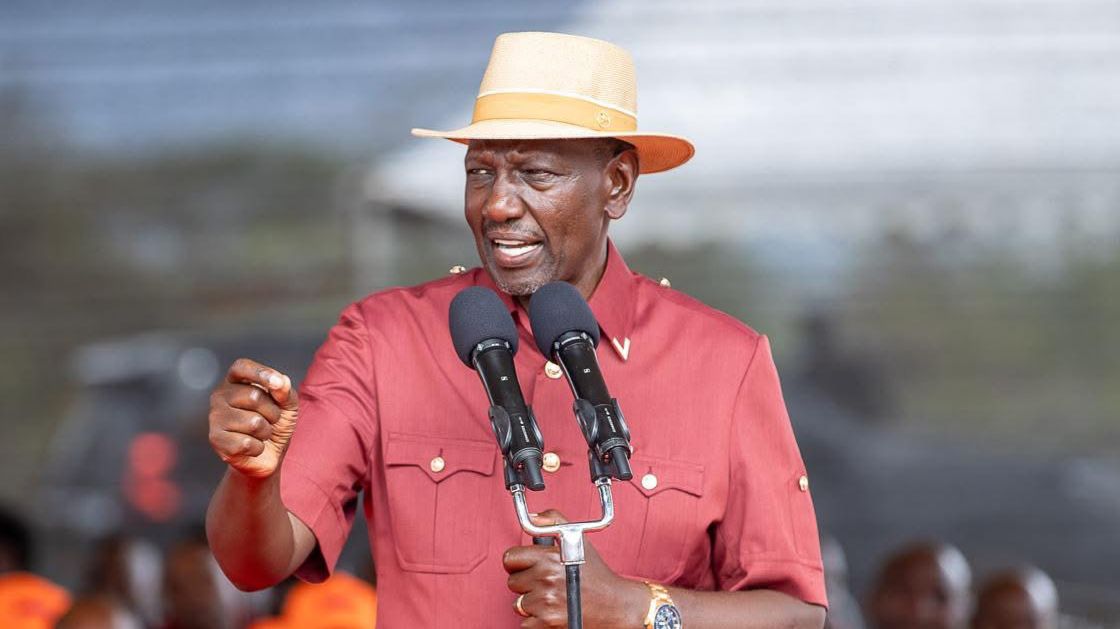
President William Ruto has outlined measures the government is taking to safeguard Kenya’s fuel supply and cushion the economy from the ongoing Middle East crisis.
In a statement on Monday, March 30, the Head of State warned that the conflict is already affecting global markets and supply chains.
"The ongoing conflict in the Middle East is having a significant impact on the global economy. This disruption is already being felt across global supply chains and is placing pressure on economies worldwide," he said.
Ruto revealed that the government had convened a high-level briefing involving key ministries and stakeholders to assess the situation and chart a way forward.
"In light of the evolving geopolitical developments, I received a comprehensive briefing this afternoon from the Ministries of Energy, Agriculture, Trade, the National Treasury, the Central Bank, as well as private sector players, on the situation and possible recommendations on the way forward," he added.
Read More
Ruto addressed concerns over fuel supply and pricing, assuring Kenyans that contingency measures are already in place.
"Regarding petroleum products, while the impact on pricing is still being assessed, measures are being put in place to moderate any adverse effects and ensure that Kenya maintains adequate supplies," he continued.
Ruto noted that the Government-to-Government fuel procurement deal has played a key role in shielding the country from sudden price spikes.
"Rising international oil prices are already affecting consumers globally. However, the Government-to-Government fuel procurement arrangement has cushioned Kenyans from immediate shocks.
"This strategic intervention has mitigated price increases, ensured security of supply, and proven to be both prudent and forward-looking," he further said.
Ruto added that authorities continue to monitor global fuel prices and are ready to intervene where necessary.
"Additionally, the Ministry of Energy continues to assess international fuel prices and identify mitigating measures. The Ministry will work closely with the National Treasury to implement appropriate interventions," he noted.

On agriculture, Ruto reassured farmers of stable fertiliser availability despite global uncertainties.
"On fertiliser, I wish to assure the nation that no disruptions are expected. We have sufficient supplies to support the current rainy season through to September this year," he explained.
Turning to trade, Ruto acknowledged potential risks but noted resilience in key export sectors such as tea.
"With regard to trade, while some key exports, particularly tea, were expected to face challenges in certain markets, it is encouraging that performance remains strong," he stated.
Ruto attributed this resilience to market diversification and stronger trade linkages.
"This is supported by diversification into new markets and the strengthening of existing ones. The latest data indicates that we exported 81% of tea offered for auction this month, compared to 75% in March 2025," he added.
Ruto also highlighted increased activity at key ports, further noting plans to collaborate with global logistics firms to capitalize on emerging opportunities.
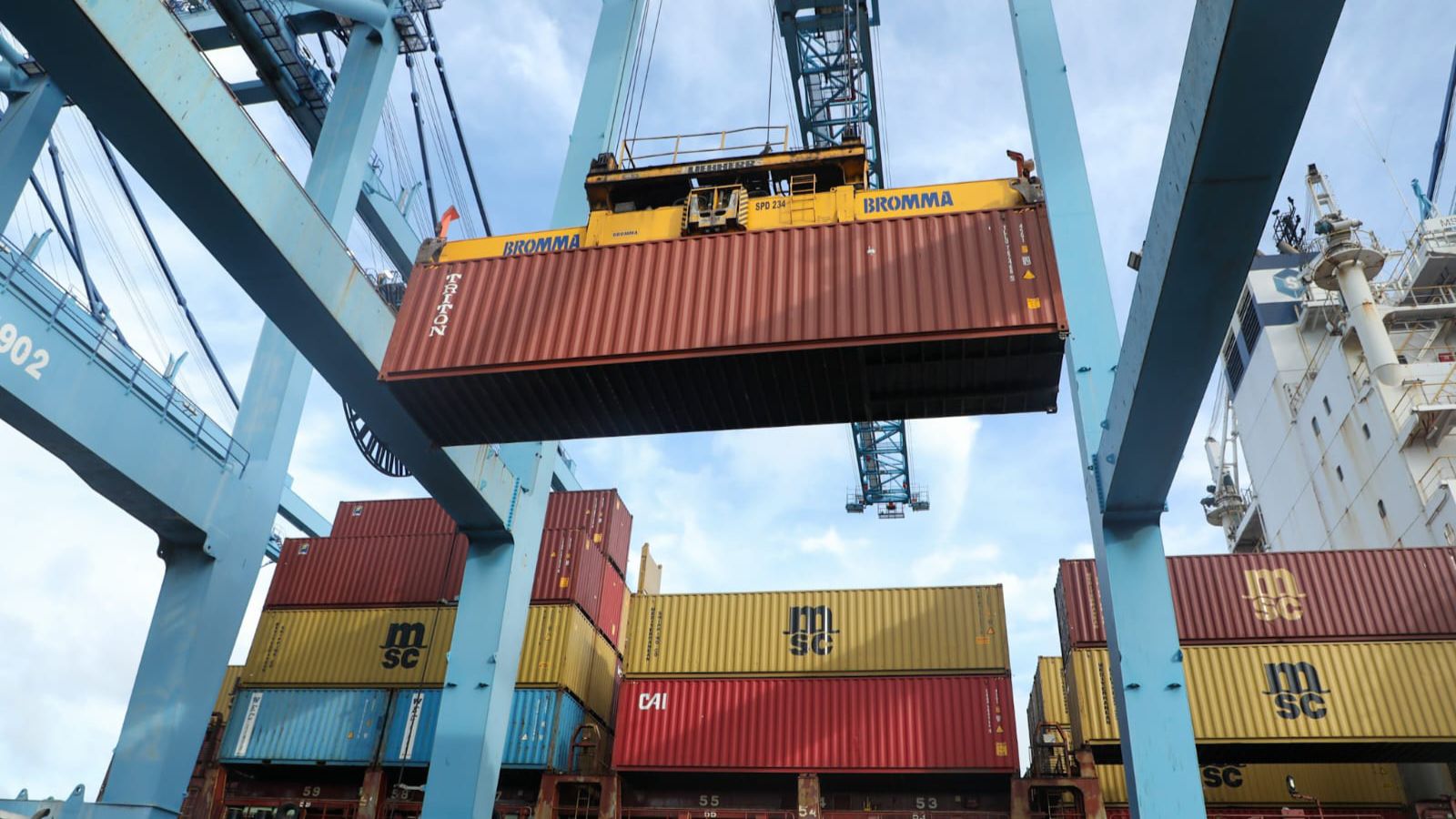
"We are also witnessing significant growth in activity at the Ports of Mombasa and Lamu. Notably, the Port of Lamu has recorded a sharp rise in throughput, including the handling of over 4,000 high-value motor vehicles destined for Gulf markets for onward transshipment. This underscores the strategic importance of our port infrastructure, whose capacity and efficiency we continue to enhance.
"We will also engage international logistics companies to leverage emerging opportunities and strengthen Kenya's position in regional and global trade," he further said.
However, Ruto acknowledged challenges in the meat export sector due to logistical constraints, with the government seeking solutions.
"However, meat exports have been affected due to logistical and freight challenges. The Ministries of Trade and Agriculture will collaborate to explore alternative solutions to support exporters in this sector," he concluded.
Notably, this comes days after Vivo Energy Kenya issued a notice to customers following fuel shortages reported at select Shell service stations across the country.
In a statement on Thursday, March 26, the company said it has been closely monitoring the situation after some outlets experienced temporary stock-outs due to increased consumption patterns.
"We have recently experienced increased demand for our products, which has resulted in temporary stock-outs at some service stations. Our teams are closely monitoring the situation and working continuously to replenish affected sites as quickly as possible," the statement read.
Vivo Energy reiterated its commitment to maintaining reliable service across its network, while acknowledging the inconvenience caused to customers.
"We appreciate your continued patronage and apologize for the inconveniences caused by this and remain fully committed to serving our customers reliably and ensuring that our service stations and the essential services that depend on us stay supplied," the statement concluded.