The Orange Democratic Movement (ODM), one of Kenya’s oldest and most influential political parties, is experiencing a deepening internal rift marked by two competing grassroots mobilisation efforts: Linda Ground and Linda Wananchi.
While both initiatives aim to promote wider engagement with citizens and party structures, they reveal big political and strategic differences among senior ODM leaders ahead of the 2027 general election.
At the heart of the unfolding dispute are questions of leadership direction, party funding, and ODM’s positioning in the national political landscape following the death of its long-time leader, Raila Odinga.
What Linda Grounds Represents
Linda Ground, loosely translated as “protect the base,” is portrayed by its organisers as a nationwide grassroots outreach initiative aimed at consulting party delegates, local leaders, and ordinary supporters on key issues, including potential pre-election alliances and the party’s strategy for 2027.
Read More
The initiative has been rolled out through rallies and consultative forums across counties such as Kisumu, Kakamega, Busia, Kisii, and Nyamira.
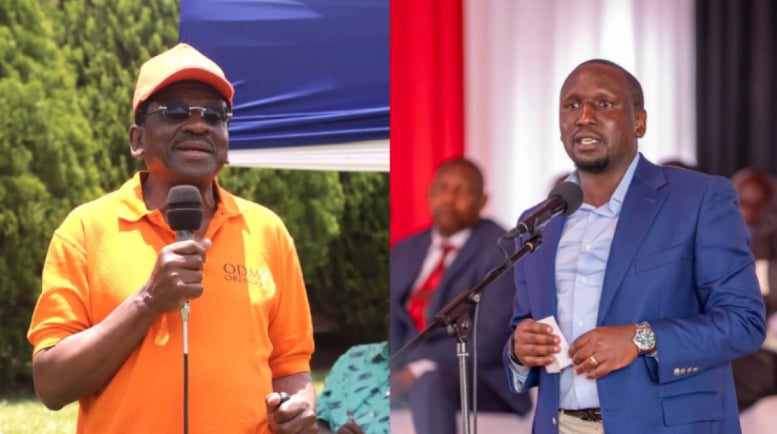
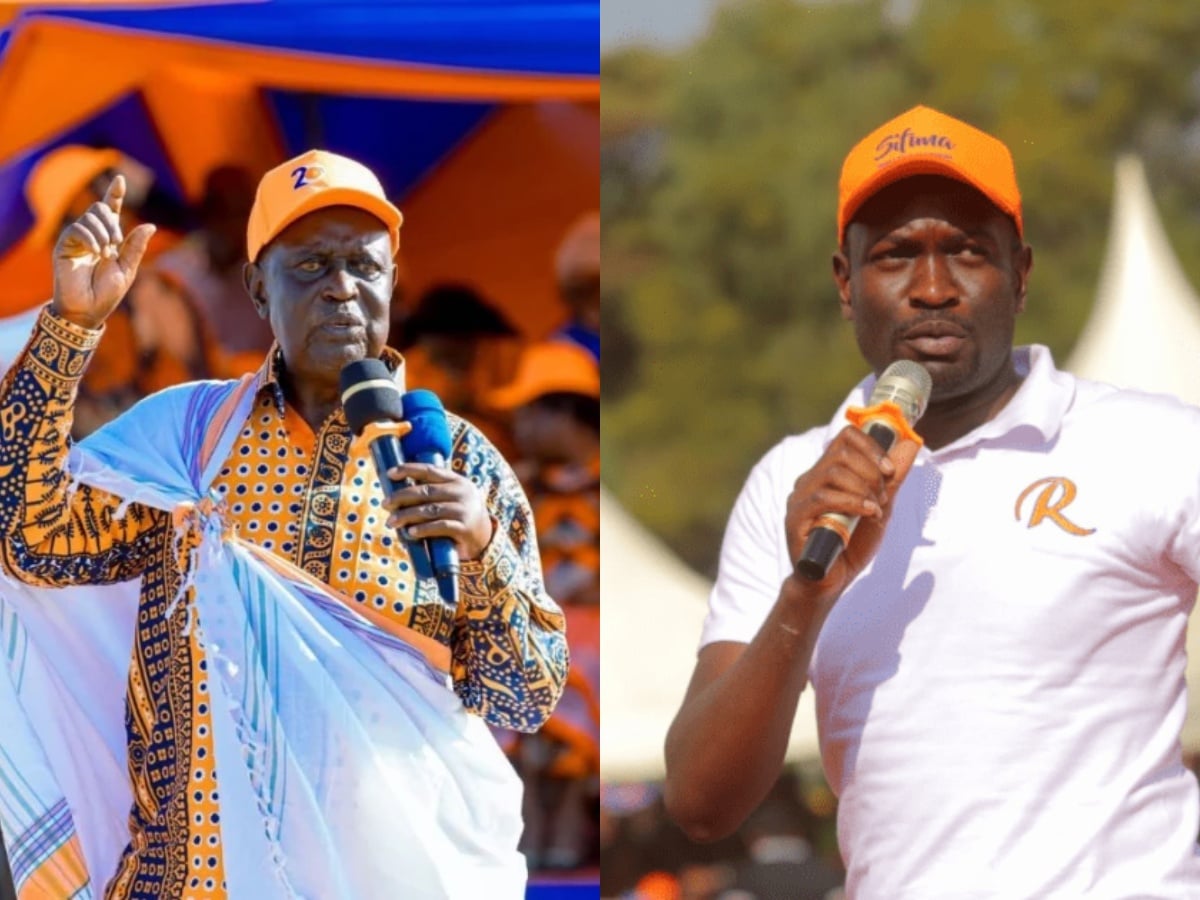
Senior party figures, including ODM leader Oburu Oginga and party chairperson Gladys Wanga, have participated, and the forums are seen in part as building consensus on broader political strategies, including possible alignment with the ruling United Democratic Alliance (UDA).
Supporters describe Linda Ground as both a mobilisation platform and a strategic consultation, strengthening party structures at the county level while preparing ODM for a political environment where alliances and cross-party engagements could be decisive.
The initiative is also viewed as preparatory work for a National Delegates Conference, whose resolutions could shape party positions on coalition politics, candidate selection, and overall 2027 election strategy.

Backers argue that in the absence of a clear successor to the late Raila, ODM must pursue a broad-based, inclusive approach, ensuring it maintains influence in potential coalitions without alienating key partners.
What Linda Wananchi Stands For
In contrast, Linda Wananchi, meaning “protect the citizen”, is a grassroots mobilisation tour led by ODM Secretary-General Edwin Sifuna in partnership with deputy party leader Geoffrey Osotsi and Embakasi East MP Babu Owino, among others.
Launched in early February 2026, the tour began in Busia County and is moving through other regions, focusing on direct engagement with ordinary citizens on issues such as the cost of living, governance challenges, and the party’s strategic direction ahead of 2027.
Organisers present Linda Wananchi as a platform for gathering voter grievances and strengthening ODM’s popular base. It represents a faction resistant to early coalition alignment with UDA, insisting that the party assert its autonomy and readiness to field its own candidates.

Sifuna has been explicit about this stance, declaring in a recent interview that he would not vote for President Ruto’s re-election and emphasising that ODM has not formally decided to support any candidate outside the party. “Mimi ni wa one term,” he said, signalling a personal and strategic rejection of automatic coalition politics.
Core Strategic Disagreements Fueling the Rift
At the heart of the Linda Wananchi vs Linda Ground divide are disagreements over coalition politics, party autonomy, and internal procedures. The initiatives are more than competing mobilisation campaigns; they reflect differing visions for ODM’s future ahead of the 2027 elections.
The split became most visible when Sifuna publicly criticised aspects of party operations, including the selection of Oburu Oginga as Party Leader, which he argued violated party rules. According to Sifuna, a deputy should have acted temporarily, followed by a National Delegates Convention (NDC) to formalise leadership.
“The installation of Oburu Oginga as interim party leader was not procedural in accordance with the provisions of the Constitution.
“What I would have advised had I been in that meeting is to allow one of the deputies to act and in three months’ time, call for a special National Delegates Convention and do it procedurally and properly," Sifuna said.
Sifuna also raised concerns about the funding of Linda Ground rallies, claiming they were conducted under the ODM banner without oversight from party structures.
“I can state authoritatively that the resources you see being spent in ODM rallies, the so-called Linda Ground, are not coming from ODM headquarters. I know for a fact that there is parallel funding for activities clothed in ODM colours … Linda Ground rallies are not financed from ODM quarters or party coffers. That one I can tell you for free," he opined.
In response, Oburu framed Sifuna’s criticisms as confusing personal opinion with official party policy, reminding members that legitimacy is conferred through party organs rather than individual interpretation.

“In recent months, the Secretary General has occasionally struggled to distinguish between his personal opinions and official party policy as determined by our constitutionally mandated organs. This has understandably created confusion among members and supporters. ODM policy is not shaped by individual preference; it is the product of structured deliberation through properly constituted party organs.”
On leadership legitimacy, Oburu pointed out that Sifuna himself was elected through the party’s established processes, highlighting the inconsistency of challenging similar appointments now.
“When Sen. Sifuna questioned the legality of some national officials on the basis that they were elected by the National Governing Council, he overlooked a fundamental fact: he himself was elected Secretary General by the same organ in February 2018 and discharged the functions of that office fully and effectively until February 2022, when the National Delegates Convention subsequently endorsed him. One cannot selectively invalidate the very processes that conferred legitimacy upon oneself.”
Internal Reactions
The exchanges have sparked debate within ODM. Some senior figures argue that Sifuna’s public criticisms could undermine party cohesion, with a few suggesting leadership changes. Others maintain that raising these issues is part of healthy internal debate, essential for transparency and accountability.
Kisumu Woman Representative Ruth Odinga has publicly supported scrutiny over funding, stressing the need for clarity on how party mobilisation resources are deployed.
For now, Kenyans are closely following developments within ODM, keen to see how the party navigates its internal divide.