The murder of Venezuela’s acting ambassador to Kenya, Olga Fonseca, remains one of the most high-profile diplomatic crime cases ever tried in a Kenyan court.
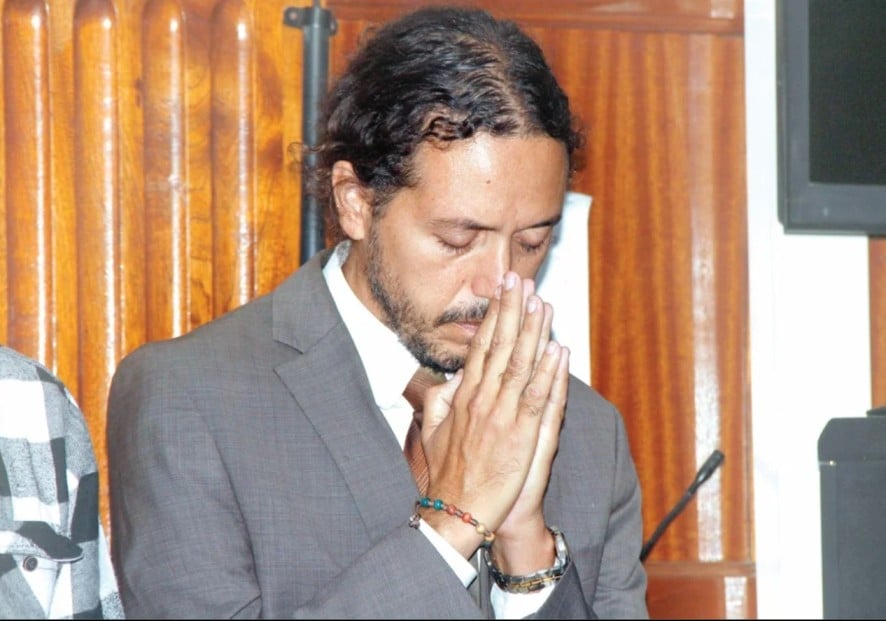
More than a decade after the killing, a Kenyan High Court sentenced former Venezuelan diplomat Dwight Sagaray and three Kenyan nationals to 20 years in prison after finding them guilty of planning and executing the murder.
Fonseca, who had just arrived in Kenya to head the Venezuelan mission, was found dead at her official residence in Runda Estate in July 2012, less than two weeks after assuming her role. The killing attracted international attention due to the diplomatic status of those involved.
She had taken over the mission following the abrupt departure of the previous ambassador, who faced sexual harassment allegations.
Investigators later told the court that tensions arose after she made changes at the residence, including dismissing some staff.
Read More

Sagaray, who was the embassy’s first secretary and had been overseeing the mission before Fonseca’s arrival, became a key suspect in the investigation. Prosecutors alleged that he resisted her takeover of the embassy and had a motive to retain control of the mission.
Because he was a diplomat, Sagaray could not initially be prosecuted under Kenyan law. However, the court heard that Venezuela waived his diplomatic immunity, allowing him to be charged and tried in Kenya under the Vienna Convention on Diplomatic Relations, which allows prosecution once immunity is lifted.
Three Kenyan nationals, Ahmed Omindo, Alex Sifuna, and Moses Kiprotich, were charged alongside him, with prosecutors arguing they acted together in a common plan to carry out the killing.
In its ruling, the High Court said evidence showed that Sagaray opposed Fonseca’s appointment and attempted to interfere with her efforts to assume control of the embassy. The judge found that the accused acted jointly in the events leading to her death and that the offence had been planned.
In January 2023, the court convicted Sagaray and his co-accused and sentenced each of them to 20 years in prison, with the term running from the date of conviction. While noting that the trial had taken many years, the judge ruled that the seriousness of the offence warranted a custodial sentence.
After sentencing, Sagaray filed an appeal seeking to overturn the conviction, arguing that the waiver of his diplomatic immunity was not properly obtained. He cited provisions of the Vienna Convention, which protects diplomats from prosecution unless immunity is formally lifted.
In March 2025, the Court of Appeal upheld the 20-year prison sentence, affirming the High Court’s decision to convict Sagaray and his co-accused.