
Editor's Review
KMPDC has issued a warning following claims that serious medical conditions were healed through faith-based interventions at a crusade in Nakuru.
The Kenya Medical Practitioners and Dentists Council (KMPDC) has issued a warning following claims that serious medical conditions were healed through faith-based interventions at a crusade in Nakuru.
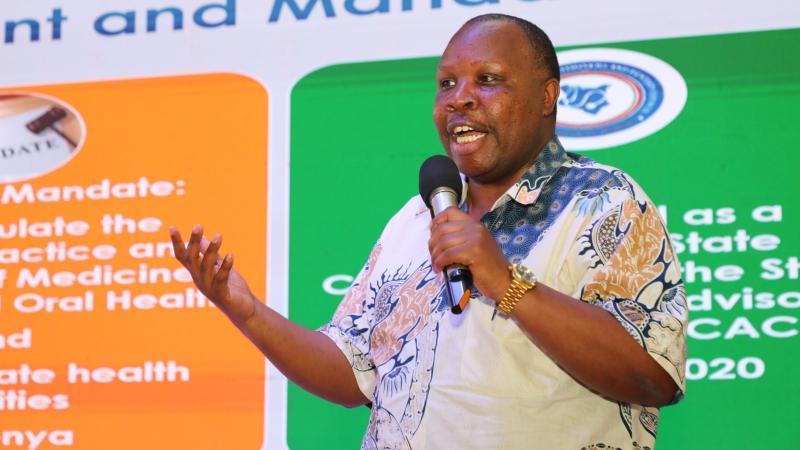
In a statement on Saturday, January 3, KMPDC CEO David Kariuki outlined the risks such claims pose to public health, insisting that medical practice in Kenya is governed by scientific and ethical standards.
"The Kenya Medical Practitioners and Dentists Council (KMPDC) has taken note of recent media reports and public discourse concerning claims of faith-based healing for serious medical conditions, including HIV/AIDS, cancer, blindness, deafness, muteness and physical disabilities," the statement read.
KMPDC explained that the statements, reportedly made by medical practitioners in a religious setting, raise questions about public safety and professional conduct.
"These claims, attributed to certain medical practitioners during a religious crusade in Nakuru, have raised profound concerns regarding public health safety and professional ethics. The Council unequivocally condemns such statements by medical practitioners, which are based on unverified claims," the statement added.
Read More
KMPDC reiterated that all treatments must be evidence-based, properly tested, and approved, and warning that unsupported claims about curing life-threatening diseases can mislead patients and cause serious harm.
"As the statutory body responsible for regulating medical and dental practice in Kenya, KMPDC wishes to state that all medical treatments and interventions must be grounded in scientific evidence, rigorous testing, and regulatory approval. Claims of healing for chronic or life-threatening conditions, such as HIV/AIDS or cancer, require verifiable medical documentation and cannot be accepted without independent verification by qualified healthcare professionals.
"Unsubstantiated claims especially by health professionals may mislead vulnerable individuals and deter them from seeking proven therapies, potentially leading to worsened health outcomes, drug resistance, or loss of life," the statement further read.
While acknowledging the role of faith and spirituality, KMPDC warned that abandoning prescribed treatment in favour of unproven alternatives contradicts public health guidelines and places patients at serious risk.
"While faith and spiritual beliefs play an important role in many people's lives, relying solely on unverified healing methods for serious illnesses can pose grave risks. KMPDC strongly advises the public against abandoning prescribed medical treatments, such as for HIV/AIDS, diabetes, hypertension, epilepsy and other chronic conditions in favour of unproven alternatives as such actions contradict established public health guidelines," the statement continued.

KMPDC also confirmed that investigations are underway in collaboration with the Ministry of Health and other regulators, noting that disciplinary or legal action will be taken against any practitioners found to have breached regulations.
"KMPDC is working closely with the Ministry of Health and other regulatory bodies to investigate these claims. Appropriate actions will be taken against any practitioner (or health professional) in order to safeguard public health, uphold medical ethics and protect citizens from misinformation. This includes potential legal measures against any practices that endanger lives or violate health regulations," the statement added.
KMPDC reassured Kenyans that the country’s healthcare system remains strong and urged the public to report suspicious claims so they can be verified by authorities.
"KMPDC reassures the public that Kenya's healthcare system is robust, with investments in public health education, access to antiretroviral therapy, cancer care, treatment for chronic medical conditions and medical research ensuring that evidence-based care is available to all. We urge Kenyans to report any suspicious claims to relevant authorities for verification. Your health and well-being remain our top priority, and we are committed to fostering a safe, informed, and ethical healthcare environment," the statement concluded.
This comes weeks after KMPDC issued a reminder to hospitals, mortuaries, and funeral homes that detaining bodies over unpaid medical bills is illegal and violates human dignity.
In a notice on Tuesday, November 18, 2025, the council noted that constitutional and criminal laws prohibit such practices.
"The right to dignity does not end at death. Article 28 of the Constitution of Kenya guarantees every person the inherent right to dignity and to have that dignity respected and protected.
"Consistent with this, Section 137 of the Penal Code makes it a criminal offence (a misdemeanour) to hinder the burial of a deceased person without lawful authority," the notice read.
According to the KMPDC, while medical facilities have the right to demand payment for services rendered, detaining a body is unlawful and amounts to a criminal act.
"While health facilities are entitled to pursue payment for services rendered, the law does not permit them to detain a deceased person's body as collateral for unpaid bills. Such actions breach constitutional rights and amount to a criminal offence," the notice added.
KMPDC urged health facilities to foster understanding with the relatives of deceased individuals by engaging in payment arrangements instead of holding bodies.
"Hospitals and mortuaries/funeral homes are therefore advised to engage families of deceased persons in payment plans or other alternative arrangements for settling outstanding bills, rather than detaining bodies," the notice further read.
Additionally, KMPDC reminded families that it is their duty to cooperate in settling outstanding bills while maintaining the dignity of their loved ones.
"Affected families are reminded of their obligation and encouraged to agree with hospitals on bill payment plans to enable the timely release of their loved ones for burial. This approach upholds the law and preserves the dignity of the deceased," the notice concluded.


 (1)-1791178178-md.jpg)



 (1)-1791178178-sm.jpg)