Thousands of widows across the country continue to face displacement, abuse and prolonged legal battles over land and property following the deaths of their spouses.
In Katina village, Seme, Grace Abuom’s life took a drastic turn in 1998 after the death of her husband.
The mother of five says what began as verbal abuse from her in-laws quickly escalated into threats against her life and that of her children, forcing her to abandon her matrimonial home and live as a squatter at Katina market for nearly two decades.
Recounting her ordeal, Grace said the hostility left her with no option but to leave.
"I tried to hold myself back, but my in-law told me, ‘If you think it’s your child who has put you here, I will burn you and the child in the house.’ So I decided to go back to my parents’ home," she said.
Read More
Similarly, in Kolwa, 85-year-old Marissa Apollo was displaced by floods in 2020, but returning home after the waters receded exposed her to a new form of suffering.
Her in-laws allegedly disowning her and dragging her to court, declaring her a stranger on land she had lived on for decades.
The experiences of Grace and Marissa reflect the wider challenges faced by widows across the country, many of whom are pushed out of their homes by relatives following the death of their spouses.

However, there is emerging relief for some.
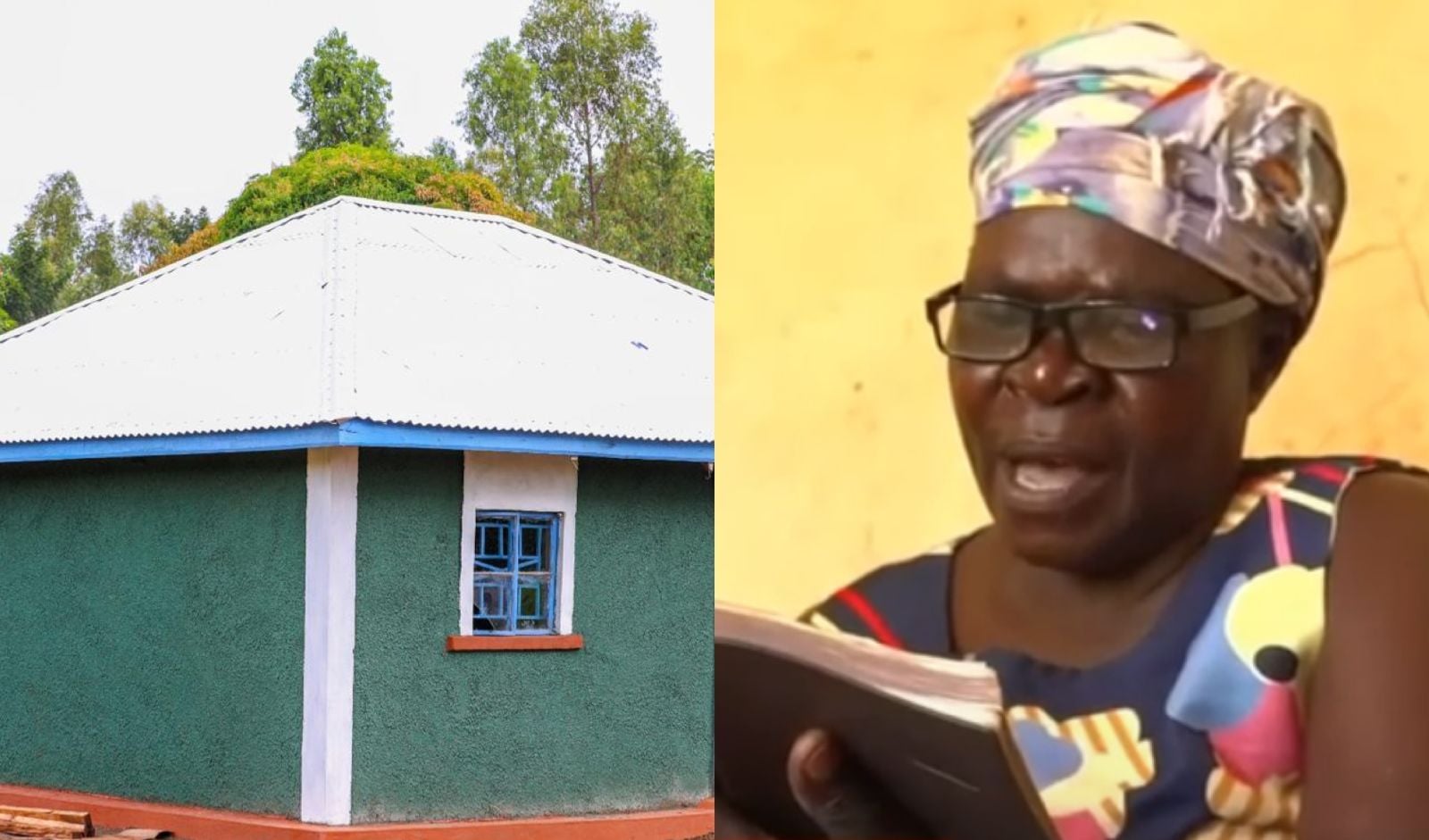
Grace is among thousands of widows who have benefited from newly constructed houses under the Widows Empowerment Programme.
The programme, spearheaded by Interior Principal Secretary Raymond Omolo, has been supporting widows since 2023.
Beneficiaries say the newly installed roofs offer not just physical shelter but a renewed sense of security reminiscent of the protection they once had within their marriages.
In December, widows from across Siaya County gathered at the Jaramogi Oginga Odinga University of Science and Technology (JOOUST) in Bondo for the latest edition of the program.
The engagement represented a major milestone for the initiative spearheaded by Interior Principal Secretary Raymond Omollo, as 157 organized widow groups from all 30 wards of Siaya County took part.
The strong turnout reflected increasing confidence in a program that seeks to restore dignity, improve livelihoods, and provide sustainable support systems for widows and their families.
During the event, participants received a range of empowerment items designed to meet both immediate and long-term needs.
These included food supplies such as rice, beans, sugar, and cooking oil, alongside fruit tree seedlings intended to boost household nutrition, enhance food security, and promote environmental conservation within communities.
The initiative also attracted significant goodwill from partners and supporters, with Ksh11 million mobilized during the Siaya engagement to strengthen and scale up ongoing activities under the program.