Members of the Public Petitions Committee have thrown their weight behind a proposal seeking to introduce a structured regulatory system for theological colleges.
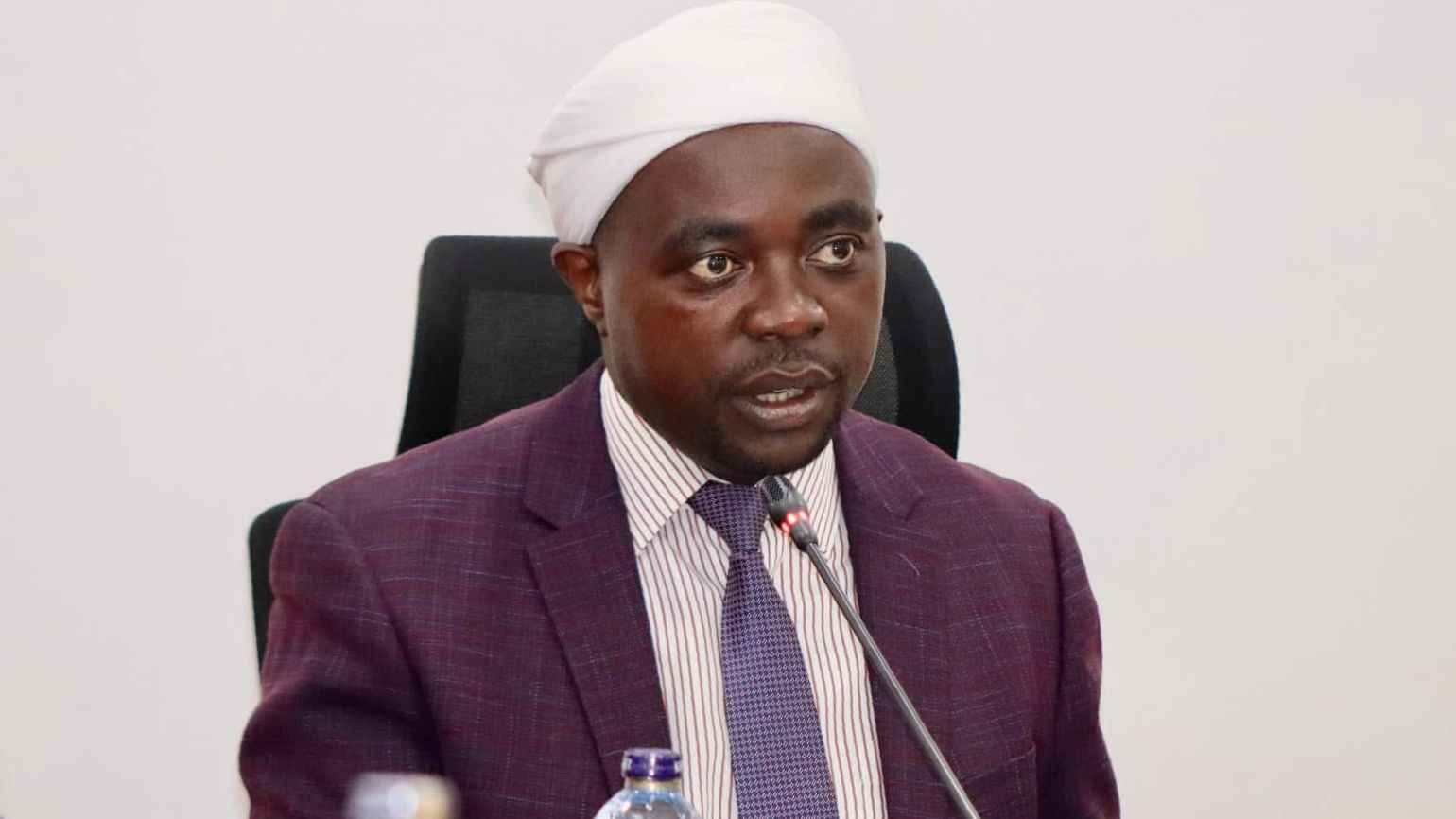
The committee, led by Runyenjes MP Muchangi Karemba, adopted the position during a meeting with the Principal Secretary in the State Department for Technical and Vocational Education and Training, Esther Muoria on Tuesday, April 7.
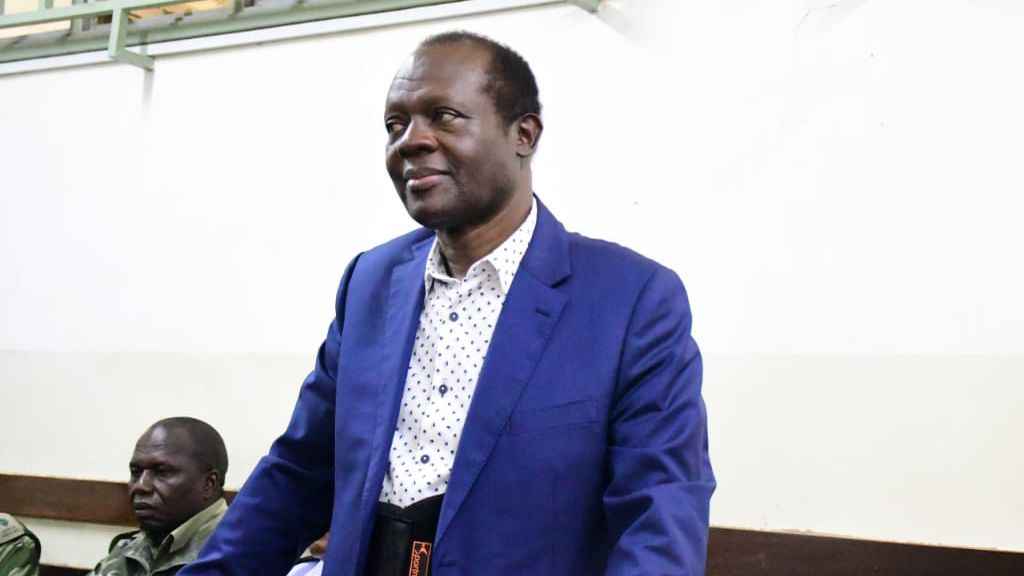
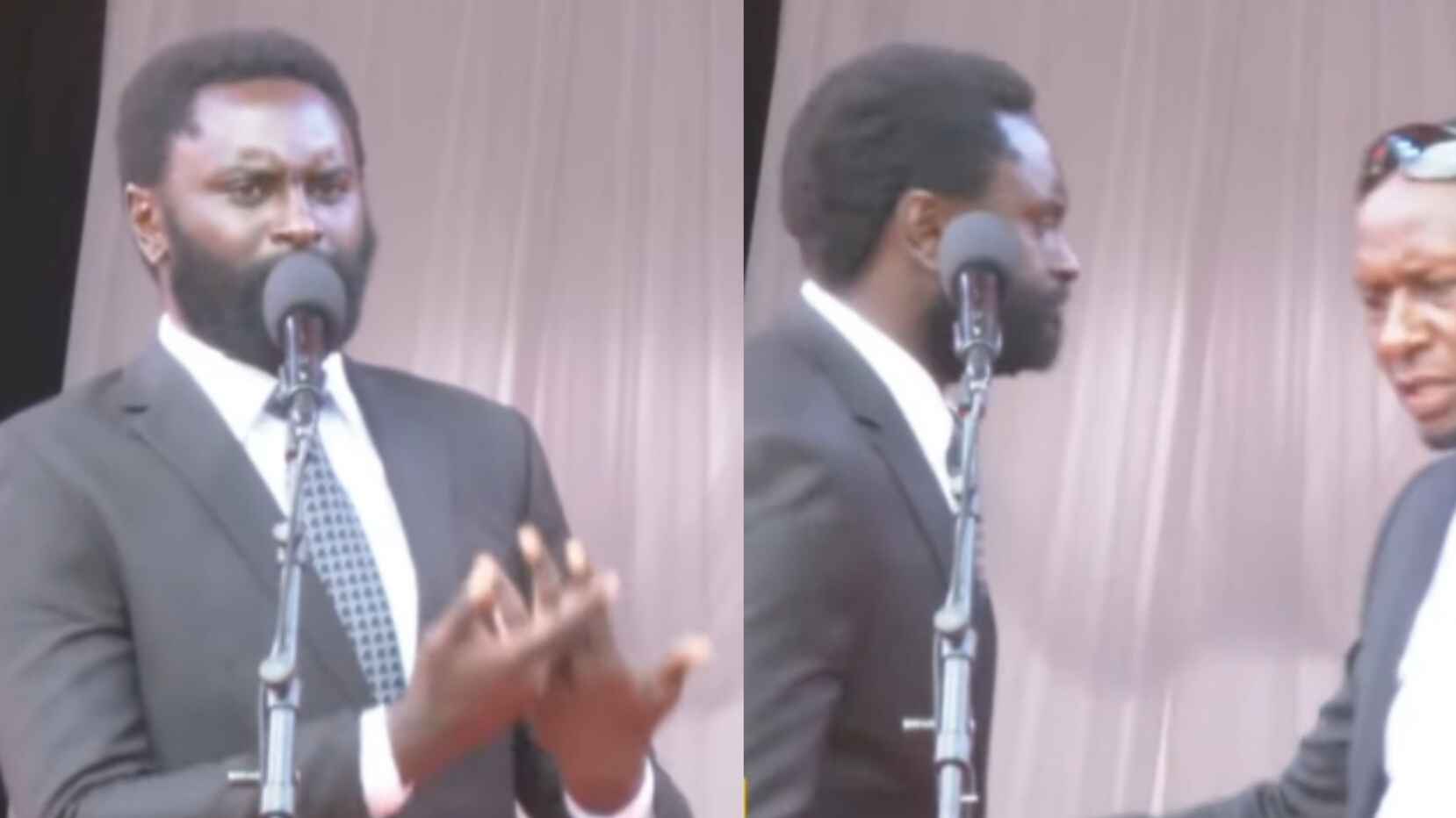
The session focused on a petition submitted by Rev. Josiah Njiru Wajoshuah, who chairs the Association of Pentecostal Vocational Training Institutions of Kenya (APVOTIK).
In the petition, Njiru warned that the lack of a clear legal and regulatory framework for theological training threatens standards, accountability, and the credibility of religious instruction.
He called on lawmakers to develop legislation specifically targeting the governance of theological education in Kenya.
Read More
While tabling the petition before the House, Speaker Moses Wetang’ula pointed out that the petitioner had flagged a surge in theological colleges, Bible schools, and online ministry programmes.
He noted that many operate under Pentecostal, Charismatic, and Indigenous movements without formal ecclesiastical supervision such as Episcopal structures.
Responding to the concerns, Muoria argued that the absence of a specific framework does not automatically mean there is no oversight, noting that institutions are still required to comply with existing national education standards.
"It is therefore recommended that the petitioner may collaborate with the various regulatory bodies recognized under the Kenya National Qualifications Framework (General) Regulations, 2025, which are mandated to regulate and enforce legislative provisions in the education and training sector to weed out unlicensed and unaccredited theological colleges, Bible schools, and online ministry training platforms in Kenya," he said.
However, lawmakers, led by Muchangi, pressed the State Department to explain why it could not take the lead in creating a comprehensive framework that applies across all religious groups.
"The petitioners do not want something for the Christians, another for the Muslims, another for the Hindus. They want a regulatory body that will guide the establishment of theological institutions. Is that something you can develop?" posed the chairperson.

In her reply, Muoria assured MPs that steps were underway to prepare a policy document that would guide the formation of a professional religious body responsible for standard-setting and enforcement within the sector.
She also floated the idea of establishing a unified professional body specifically for Christian institutions to ensure consistency in qualifications and standards across denominations.
"For Christians, let’s have only one professional body which will be giving us the occupational standards, so that when we have an apostle from the Anglican Church and another apostle from the Apostolic churches, then on the Kenya National Qualifications Framework, those two apostles are on the same level," she said.
Elsewhere, this comes over a week after Kikuyu MP Kimani Ichung'wah called out Archbishop Maurice Muhatia of the Kisumu Catholic Archdiocese for his reaction to Ruto's recent outbursts.
Ruto, during his working tour of Western Kenya, unleashed a harsh offensive against the opposition leaders, whom he accused of having provoked him in their political rallies.
He went for the jugular against opposition principals, saying they had abused him for far too long.
In response, Muhatia, while speaking in Machakos on Friday, March 20, noted that the head of state erred and was displaying a decline in the sobriety needed among leaders.
"We call upon political leaders to exercise restraint. The children and you people listening to you are shocked and traumatised because you show a collapse of the aspiration for leadership. The adults listening to you are embarrassed. You are a poor representation of our generation, and we are struggling to identify with you.
"When you publicly insult each other in front of citizens, you don't just disrespect each other; you disrespect the citizens as well. This country belongs to more than 50 million Kenyans and not only to yourselves," Muhatia said.
Clapping back, Ichung'wah said the clergy was being selective in their judgement.
While speaking in Siaya on Saturday, March 21, he wondered why those putting up thinkpieces after the president's reaction were quiet when the opposition politicians were insulting the head of state.
Ichung'wah said Ruto's opponents hurl insults at him while in churches, but no condemnation emerges, only after the president has answered back.
"I want to tell Archbishop Muhatia that indeed, we as Christians are more embarrassed than our religious leaders and our bishops can preside over the trading of insults in churches.
"I want to ask you, Muhatia, please make sure that your altar in the Catholic church is not used to sell division and hatred. Stop your selective judgment, and you are not being fair to Kenyans," Ichung'wah said.