Editor's Review
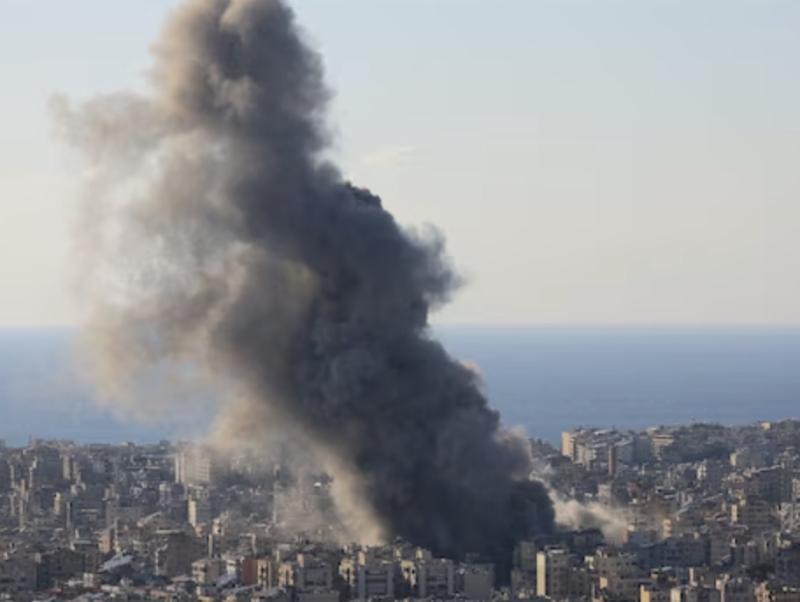
As expected, in times of war, especially in the Middle East, information is often the first casualty, particularly in the digital era.
By Victor Bwire
As expected, in times of war, especially in the Middle East, information is often the first casualty, particularly in the digital era. Media is described as the mirror of society, as taught in many journalism schools, and objectivity remains a fundamental requirement in reporting, grounded in media theory.
However, content consumers often focus on the news they want, not necessarily what they need, as determined by gatekeepers such as reporters, editors, owners, investors, and even governments.
In a liberalized media environment, strengthened by digital platforms and news sources outside traditional newsrooms, audiences are exposed to information overload, foreign information manipulation, and disinformation to a level where media and algorithmic biases significantly affect what is accepted as truth in journalism.
Given the fast pace of wars and the challenges of accessing reliable sources, it becomes extremely difficult, not only for the media but also for citizens, to separate truth from the avalanche of information and disinformation. Truth and access to credible information suffer greatly.
Read More
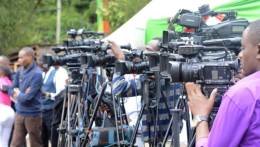
Reporting from the war front is particularly challenging, especially when some journalists are embedded with their countries’ militaries. This often results in one-sided, highly filtered information.
Media coverage by major global outlets and independent commentators, across both traditional and digital platforms, reflects these leanings. Coverage and framing are already shaping international discussions on global economics, regime change, security, military strength, non-alignment, racism, trade, and political alignments. Less emphasis appears to be placed on human rights violations or determining who is telling the truth. Instead, each media outlet seems guided by its audience context.

Outlets such as CNN, Fox News, ABC, DW, BBC, AP, and Reuters often report through a USA–Israel/NATO lens, while Al Jazeera, Press TV, and IRIB present coverage through an Iran-centered perspective. TRT from Turkey appears relatively more balanced, giving airtime to multiple sides.
Media coverage and journalists’ commentary on digital platforms already reveal where individuals stand on the conflict. As a mirror of society, media organizations make editorial judgments based on audience expectations, treating news as a product. They often provide audiences with what they want, rather than strictly gatekeeping information based on what they need. This creates a complex balancing act for journalists.
The limitations of traditional media, despite established editorial policies, are increasingly filled by digital platforms that provide real-time updates and use AI tools and other technologies on a minute-by-minute basis. This shifts the burden of verifying truth to audiences.
Major global powers use media strategically to position themselves within the war’s economic, political, and cultural dimensions. They invest heavily in media influence, shaping how domestic and diaspora audiences understand the conflict—often framing it in national interest terms rather than through a human rights lens. Deaths and destruction risk becoming metrics of power rather than reflections of truth.
Media, when strategically used, influences global policy debates and shapes positions on major issues. Governments and powerful institutions have made media relations a heavily funded function, using it to set agendas and influence global thinking. This underscores the central role of media and propaganda in war, diplomacy, and foreign relations.
As a result, the media has become internationalized and globalized, resembling multinational corporations in sectors such as manufacturing and banking.
The media remains a marketplace of ideas where competing narratives vie for dominance. Those who blame the media for carrying, or failing to carry, certain stories may overlook this complexity. While some outlets strive for balance, coverage often aligns with national interests.
Ultimately, the media plays a central role in international relations. Your perception and conclusions about the war are shaped by how it is framed and presented, and by which media outlets you consume and the national interests they represent.
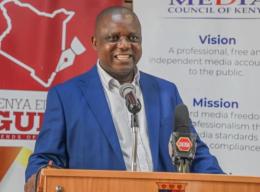
Victor Bwire is the Director, Media Training and Development at the Media Council of Kenya.

 (1)-1791959267-sm.jpg)

-1790920987-sm.jpg)