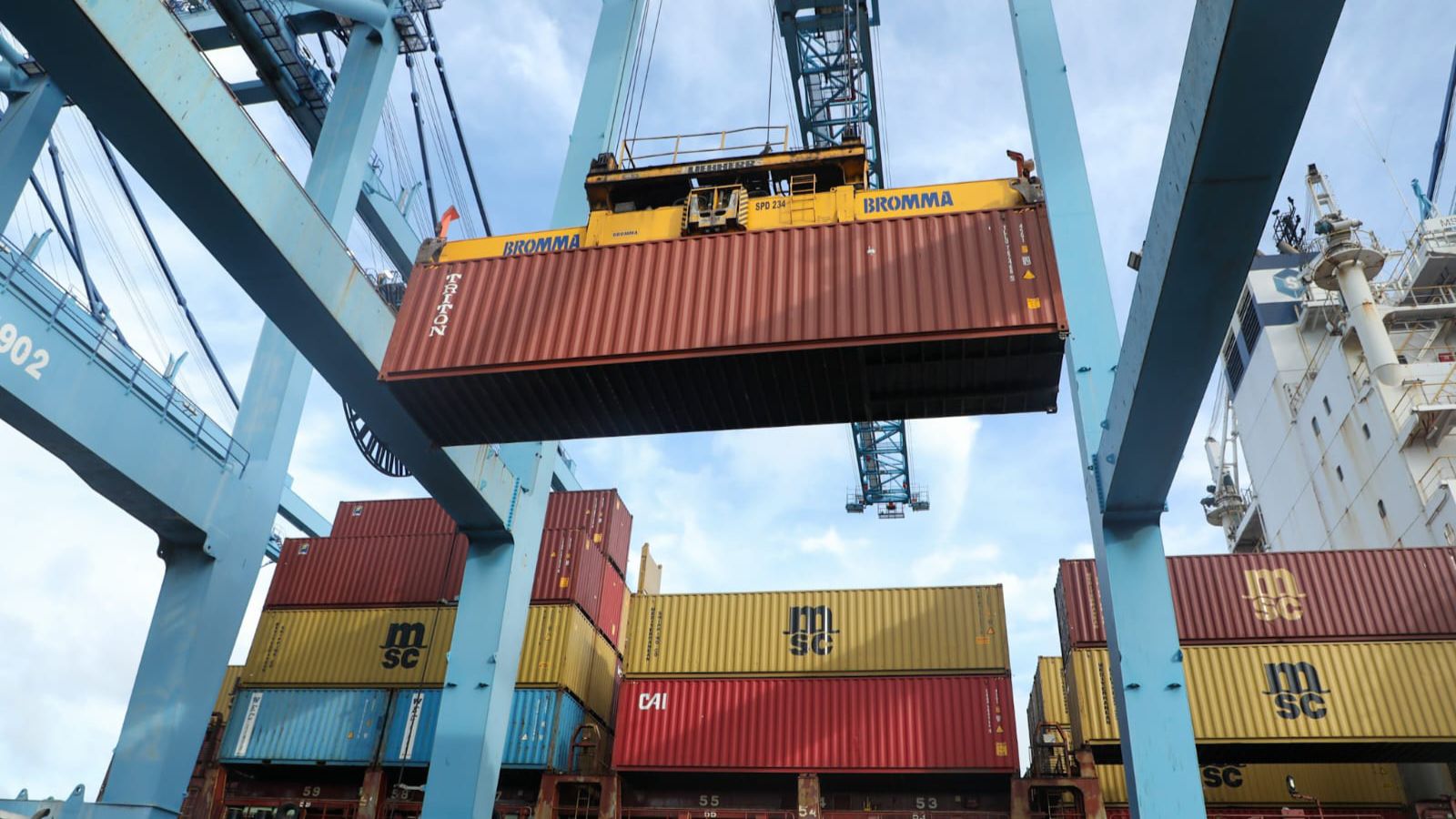
The government has come under scrutiny following claims of delays and congestion at the Port of Mombasa affecting cargo movement and regional trade.
The concerns were raised by Sucafina, a global coffee trading company involved in sourcing coffee on behalf of roasters, which cited heavy congestion and system challenges at the Port of Mombasa.
In a statement on Friday, February 20, the company detailed the extent of the congestion at the port and its impact on cargo handling and vessel schedules.
"The port of Mombasa is heavily congested, resulting in delayed berths and the discharging of import containers. Export trucks/containers entry to the port is restricted and very slow, with long queues awaiting entry, resulting in missing vessel handover deadlines," the statement read.
The firm further pointed to challenges linked to a customs system upgrade in Kenya, which it said was slowing down cargo clearance processes at border points.
Read More
"Additionally, the customs system upgrade in Kenya is affecting the timely processing and clearance of containers at the borders," the statement added.
Sucafina also highlighted the ripple effects of the delays on cross-border transport, particularly along the Northern Corridor linking Kenya to neighbouring countries.
"In turn, there are long truck queues on both the Kenya and Uganda sides, increasing transit times and longer lead times for truck allocation," the statement continued.

The company warned that the ongoing situation could soon escalate into a logistics crisis affecting multiple countries in the region.
"A shortage of trucks and containers is expected in the coming weeks, with ensuing inevitable delays for not only Kenya, but also Uganda, Rwanda and Burundi shipments," the statement concluded.
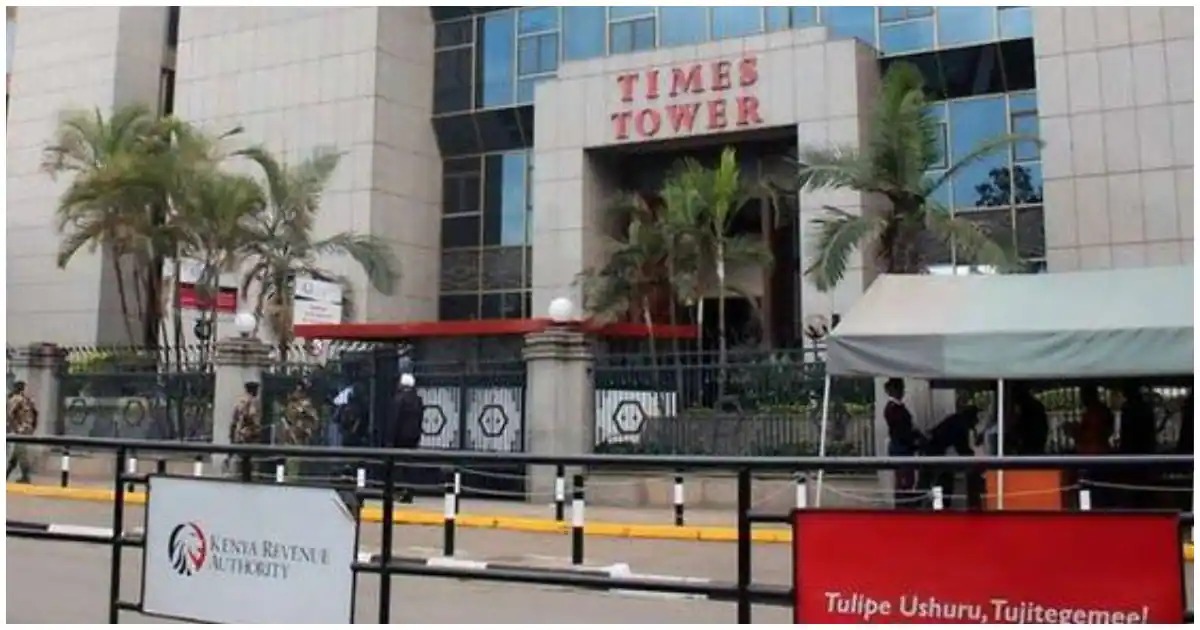
This comes a week after the Transport Workers Union (TAWU) intensified pressure on the Kenya Revenue Authority (KRA) following claims that cargo transporters may once again be compelled to move goods via rail to the Naivasha Inland Container Depot (ICD).
In a statement on Saturday, February 14, the union aligned itself with the Kenya Transporters Association (KTA), arguing that mandatory rail transport policies would negatively affect thousands of workers and businesses that rely on road freight services across the country.
"The Transport Workers Union (TAWU) stands in full solidarity with the Kenya Transporters Association (KTA) in rejecting any attempt to reintroduce forced rail haulage of cargo to the Naivasha ICD," the statement read.
TAWU further accused KRA of attempting to influence cargo clearance decisions through administrative actions, insisting that such measures would contradict national policy directions that allow importers to choose between rail and road transportation.
The union maintained that coercion in cargo movement decisions would be both unlawful and harmful to economic activity tied to the transport sector.
TAWU also referenced past experiences when compulsory rail haulage was implemented, saying the move severely disrupted livelihoods and businesses along key trade routes.
"Forced rail haulage previously led to massive job losses, business closures, and economic devastation along the Northern Corridor. Transport workers will not again be sacrificed to failed policy experiments," the statement further read.
TAWU noted that it is prepared to mobilize workers should authorities attempt to enforce similar measures again.
"TAWU hereby issues clear notice that any action by KRA or any other state agency aimed at reviving forced rail haulage will trigger immediate, coordinated, and lawful industrial action across the transport and logistics sector," the statement concluded.