Editor's Review
"This scarecrow should not be there. Nuclear energy is safe; it depends on who does it."
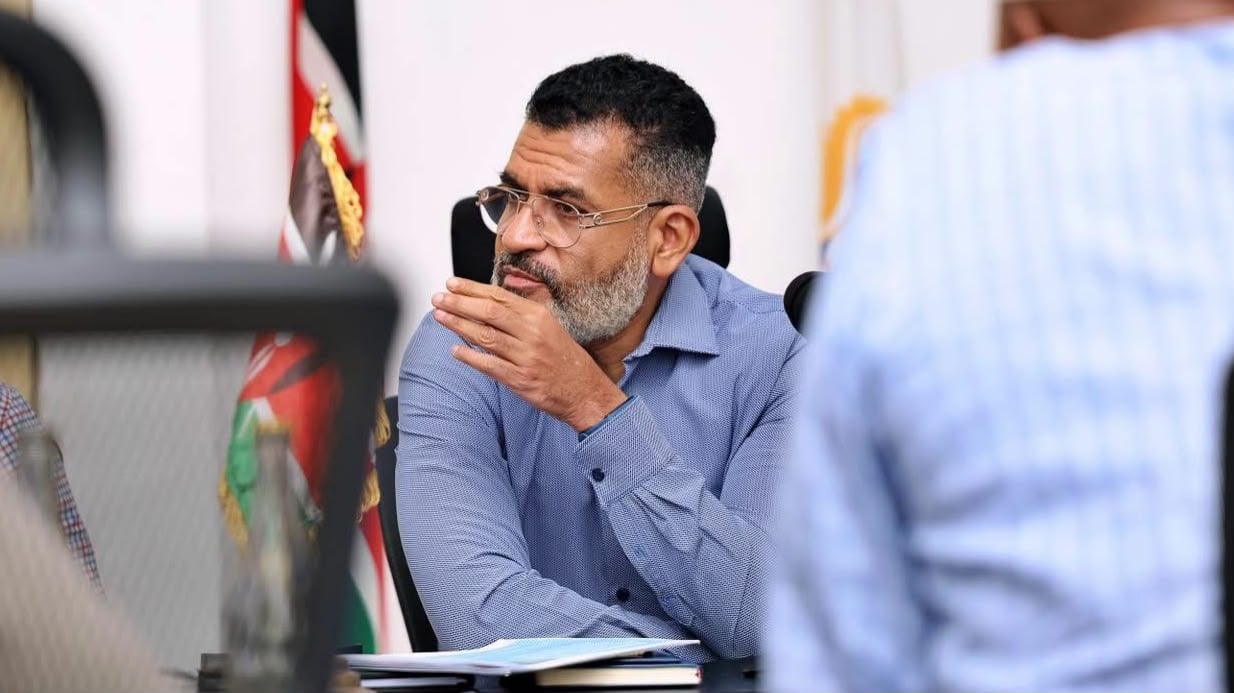
Siaya Governor James Orengo, on Friday, April 10, defended President William Ruto's plan to establish a nuclear power plant in Siaya County by 2027.
Orengo allayed fears over the effects of having a nuclear power plant on the residents and the land.
He argued that a nuclear power plant would be of great benefit to the county and the country as a whole if managed properly.
The Governor, who held a joint press conference with former CS Raphael Tuju, dispelled claims by Tuju that the plant would have negative effects on the people.
Orengo called on leaders to have an honest conversation on the matter, arguing that nuclear energy was the way to go.
Read More

"Tuju, you said that Germany is phasing nuclear energy out, but Germany is phasing in. They had banned nuclear plants, but now they are going back to it."
"Ethiopia is producing 10,000 megawatts, Kenya is producing 4,000 megawatts are building a nuclear plant. "I think this scarecrow should not be there. Nuclear energy is safe, it depends on who does it," he stated.
Orengo asked the leaders not to throw away a chance to make progress. He explained how nuclear energy would impact the lives of Kenyans.
"We have an SGR, but we cannot electrify it because we don't have enough energy. If you want to have a train from Mombasa to Kisumu with the kind of electricity generation we have, you will only reach Mazeras," he added.
The Governor acknowledged the risks involved with handling nuclear waste but argued that if well contained, then the good outweighs the bad.
He added that several African countries had embraced nuclear energy and Kenya needed to join the bandwagon to remain competitive.
The Siaya County Chief explained that as long as Kenya addressed issues of safety, health and stability, then nuclear energy was okay.
Tuju had stated that the government did not have the capacity to handle a project of such magnitude.
"We cannot even run our matatus safely, how will we run our nuclear plant? It is a big joke," he reiterated.
Ruto announced that the nuclear power plant would be ready by 2027 and would generate 2,000 megawatts of electricity.
-1789501743.jpg)