Editor's Review
With a projection of 5.3% GDP growth for 2026, a significant jump from the 4.7% recorded in 2024, the government has signalled a decisive shift in the national trajectory.
Kenya is standing at a defining fiscal threshold as its economy transitions from recovery into a phase of accelerated ascent.
According to the latest report of the Budget and Appropriations Committee on the 2026 Budget Policy Statement (BPS), the nation is actively steering towards long-term macroeconomic stability.
With a projection of 5.3% GDP growth for 2026, a significant jump from the 4.7% recorded in 2024, the government has signalled a decisive shift in the national trajectory.
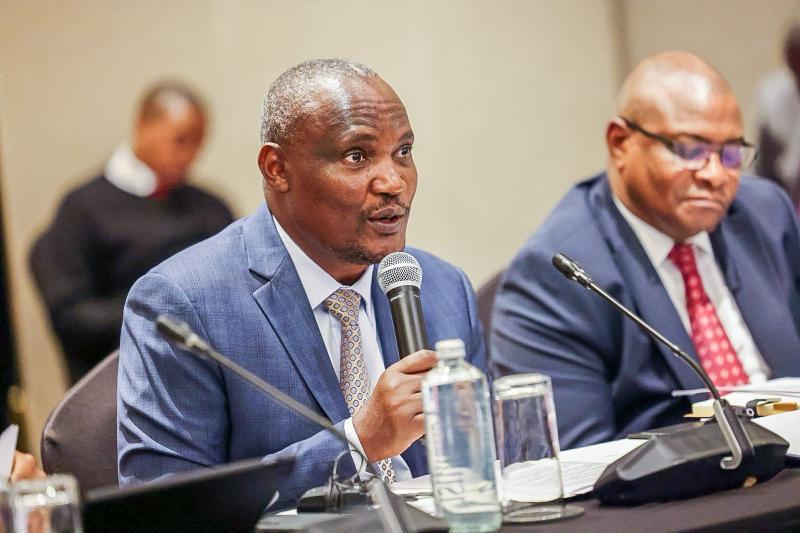
Led by Chairperson Samuel Atandi, the Committee has laid out an intricate roadmap balancing a massive KSh 4.74 trillion spending plan with a rigorous commitment to fiscal consolidation. This fourth BPS of the current administration is engineered to scale up the gains of the Bottom-Up Economic Transformation Agenda (BETA), serving as the primary instrument for socio-economic advancement.
The foundational engine of this 2026 roadmap is underpinned by a resurgence in construction, tourism, transport, and financial services. These gains are directly linked to the Fourth Medium-Term Plan (MTP IV), which seeks to scale up interventions in sectors with the highest impact on citizens.
Read More
By prioritizing these drivers, the government aims to foster a resilient economy capable of withstanding global pressures while maintaining a target inflation range of approximately 5%. This stability is crucial to protecting household purchasing power and creating a predictable environment for investors.
To fund this ambitious agenda and reduce reliance on external debt, the 2026 BPS sets a total revenue mobilization target of KSh 3.588 trillion, representing 17.1% of the GDP. This push for fiscal independence is built on extensive administrative reforms, improved compliance systems, and the comprehensive digitalization of revenue processes.

By sealing tax leakages and widening the tax net, the government intends to strengthen its fiscal position and ensure a larger portion of the national budget is funded through domestic resources rather than excessive borrowing.
The proposed expenditure for FY 2026/27 marks a substantial increase of over KSh 435 billion from the previous fiscal year. This spending is strictly directed towards critical sectors influencing productivity and quality of life, such as education, healthcare, infrastructure, agriculture, and national security.
These expenditure ceilings were derived from rigorous deliberations by Sector Working Groups to ensure every shilling aligns with the broader transformation strategy.
A central pillar of this transformation is the aggressive expansion of infrastructure and energy. Continued investments in roads, electricity, irrigation, and logistics aim to reduce the cost of doing business and enhance Kenya’s competitiveness as a regional hub.
Complementing this is a bold plan to increase electricity generation capacity by 10,000 MW using geothermal, solar, wind, and hydropower. This expansion will support industrial growth and regionally position Kenya as a leader in renewable energy.
Building on this foundation, the 2026 BPS emphasizes devolution and grassroots entrepreneurship as primary vehicles for wealth distribution. County governments are projected to receive KSh 420 billion as an equitable share allocation to support devolved services and local development.

This is bolstered by revitalizing the MSME sector through strategic financing channels like the Hustler Fund, Youth Enterprise Fund, Women Enterprise Fund, and NYOTA, unlocking credit for entrepreneurs who traditionally face barriers to formal finance.
Affordable housing remains another major pillar, acting as both a social utility and a powerful job catalyst. The programme stimulates the construction sector and creates thousands of opportunities across the industrial value chain.
Similarly, agriculture is prioritized to ensure food security and lower the cost of living by supporting productivity and improving supply chains to expand access to nutritious food while boosting local yields to decrease food-driven inflation.
The transition to a robust healthcare system is also central. The report acknowledges the critical role of the Social Health Insurance Fund (SHIF) and the Social Health Authority (SHA) in improving welfare. By investing in Universal Health Coverage (UHC), the BPS seeks to ensure no Kenyan is impoverished by medical expenses.
Furthermore, Kenya is positioning itself through the "Digital Superhighway," with investments in innovation and infrastructure specifically intended to create employment for the youth.
Ultimately, the 2026 BPS is anchored in fiscal discipline. The government is targeting a reduction in the fiscal deficit to 5.3% of GDP to stabilize public debt and strengthen sustainability. This approach balances necessary development spending with responsible financial management to create an inclusive and prosperous future for all Kenyans.


 (1)-1791178178-sm.jpg)