
Editor's Review
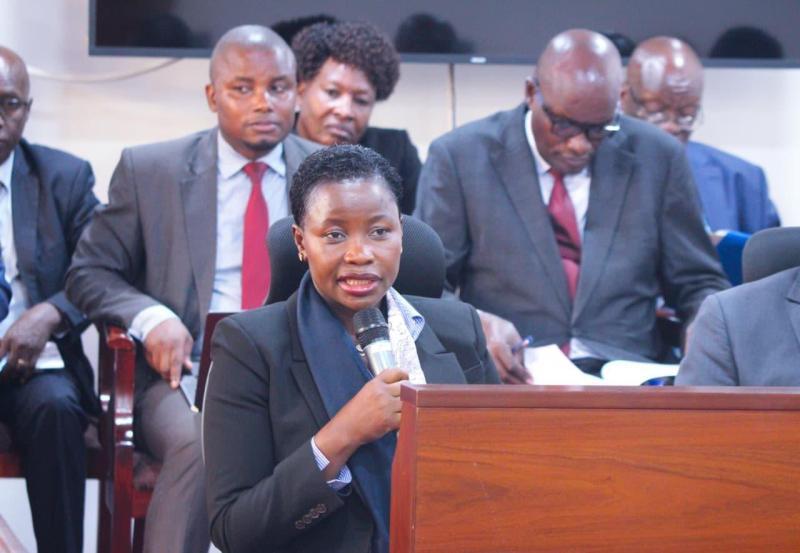
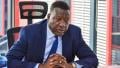
MSMEs Principal Secretary Susan Mang’eni has explained that the NYOTA Project beneficiaries who received reduced disbursements had withdrawn all their savings under the programme.
Micro, Small and Medium Enterprises (MSMEs) Principal Secretary Susan Mang’eni has explained why some of the National Youth Opportunities Towards Advancement (NYOTA) Project beneficiaries received Ksh19,000 instead of the Ksh 22,000 in the second tranche of funding.
Speaking on Saturday, July 11, PS Mang’eni said that those who received reduced disbursement had withdrawn all their savings under the programme.
"There were questions yesterday: Why did I receive Ksh19,000 and not Ksh22,000? The reason why some of them, about 33,000, received Ksh19,000 is that they withdrew all their savings and the project is not yet completed, so you are supposed to lock down," Mang'eni explained.
She noted that the affected beneficiaries were netted off in the second tranche, and the funds were moved into savings.
The MSMEs PS mentioned that the savings were established under the NYOTA project to provide a financial safety net for businesses against unexpected challenges.
Read More

According to PS Mang’eni, beneficiaries who save money under the project will receive a matching grant from the government at a 2:1 ratio once the project is completed.
"The project has provided an amount that will enable NSSF through Haba Haba. If you save, let's say Ksh3,000, after the end of the project, you start saving for the long term, you also receive a matching grant at the ratio of 2:1,” she stated.
Further, PS Mange’ni said the affected beneficiaries were notified in advance they would receive a lower second disbursement after withdrawing all their savings.
“We communicated to them two days before; we sent them messages and told them we can see that you withdrew all your savings, so you will receive less," Mang'eni said.
On Friday, the government disbursed the second tranche of funding to the NYOTA beneficiaries across the country.
The funding was received by 33,269 first-time beneficiaries, while 88,934 existing beneficiaries received a second tranche to expand their enterprises.
In the first phase, the beneficiaries received Ksh22,000 each to support their business, and Ksh3,000 was deposited as savings under NSSF’s Haba Haba Scheme.
Meanwhile, President William Ruto ordered a two-year waiver of business permits for all NYOTA Project beneficiaries.
"I therefore direct the Intergovernmental Budget and Economic Council, working together with county governments, to develop and implement a two-year business permit waiver for all the NYOTA beneficiaries," Ruto said.
-1792658467-md.jpg)
-1768823097-md.jpg)

-1792662527-sm.jpg)

-1792658467-sm.jpg)