Editor's Review
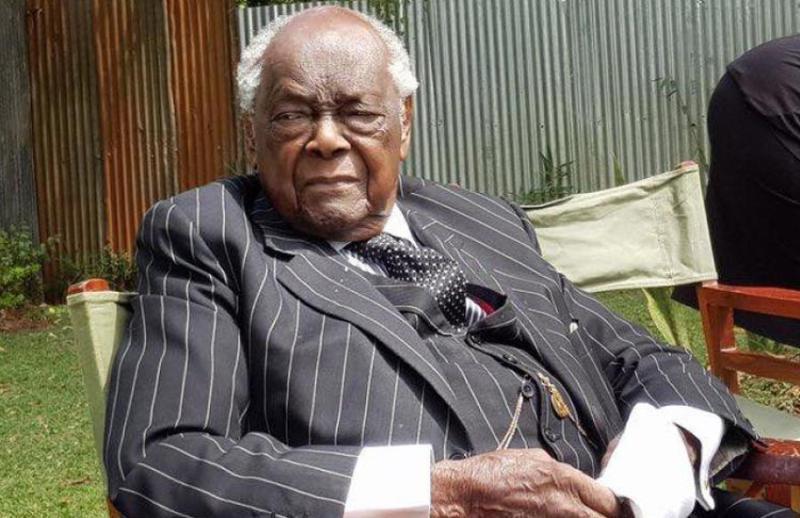
According to his family, Nyagah directed that his body should not be opened for public viewing.
Final wishes often shape how public figures are laid to rest, with some Kenyan leaders leaving behind specific instructions about their funerals and burials.
In several cases, these directions were detailed, unconventional, or departed from common practice, and were later carried out by their families in line with what had been requested.
Below are some prominent Kenyans who left intriguing wishes:
Joe Nyagah
The former Cooperative Development Minister and politician left clear instructions regarding how his body should be handled after his death.
Read More
According to his family, Nyagah directed that his body should not be opened for public viewing. He also asked not to be dressed in new clothing, which is a common practice in many Kenyan funerals where families select fresh attire for the deceased.

Instead, his preference was to be buried in clothes he already owned, and his family followed these instructions during his burial in Kirinyaga County.
In addition, the family noted that Joe was meticulous about ironing his clothes and said his eldest son would take over that role, preparing the outfit he would be buried in.
Raphael Tuju
The former Cabinet Secretary surprised many when he expressed his wishes publicly during a gathering at his home in Rarieda.
Speaking on April 10, Tuju stated that in the event of his death, he would want to be buried within 48 hours. He also directed that no state officials should be involved in his funeral arrangements.
In his remarks, he noted that he had already identified two possible burial sites and shared them with his family, leaving the final choice to them. He further clarified that his instructions were specific to the current administration at the time of his statement.
"When it comes to that, when I die, I would like to be buried within 48 hours. I do not want to see any state participating, pretending that they have anything to do with me.
"No state to be involved in my funeral. I have shown them the exact two locations where I would like to be buried, and the family can make the decision. The next regime is a different party but not this regime," he stated.
Martin Shikuku
The late veteran politician made extensive preparations for his burial years before his passing. Reports indicate that he personally arranged for his grave to be dug and went on to purchase a coffin in advance.
Despite cultural beliefs in his community that such actions could be considered a bad omen, he proceeded with these plans. When he died, his family used the grave that had been prepared eight years earlier and buried him in the coffin he had bought.

In addition, he had requested that four bulls be slaughtered during his funeral and expressed a wish for former President Mwai Kibaki and former Prime Minister Raila Odinga to attend his burial.
Charles Njonjo
The former Attorney General also left specific directions that his family carried out. Upon his death on January 2, 2022, it was announced that he had instructed that his body be cremated immediately after he passed on.
His family followed these instructions, and his remains were cremated at the Kariokor Hindu Crematorium shortly after the official confirmation of his death.
"Charles Njonjo was clear about what he wanted not only in life but also in death as well. Part of those instructions was to perform a cremation after his death. He never wanted funeral-related fanfare.
"He just wanted to be cremated almost immediately after death. So we have fulfilled his wish," Njonjo's son-in-law Carey Ngini said after his cremation at Kariakor Hindu Crematorium.
Wangari Maathai
The late Environmentalist and Nobel laureate had also outlined how she wished to be buried. She requested that her coffin be made using materials that are not from trees, in honour of her movement, we championed the protection of trees.
This instruction was implemented during her burial, and the casket used reflected those specifications. The coffin was made of hyacinth fibres and bamboo frames rather than conventional wood.
-1789385357-md.jpeg)