
Editor's Review
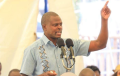
Wiper Party leader Kalonzo Musyoka has jetted back into the country following his visit to the United States (US).
Wiper Party leader Kalonzo Musyoka has jetted back into the country following his visit to the United States (US).
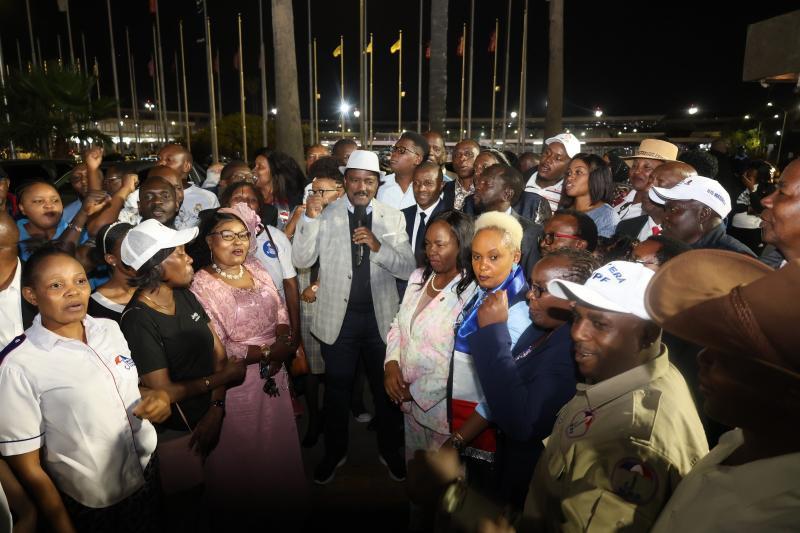
Kalonzo touched down at the Jomo Kenyatta International Airport (JKIA) on Thursday, February 12 night.

The former vice president was received by leaders from the Wiper party, including Dan Maanzo, Patrick Makau, Stephen Mule, Edith Nyenze and Joyce Kamene.
Other leaders who received Kalonzo were: Mulu Makali, Julius Mawathe, Malili Nzengu, Jessica Mbalu, Erastus Kivasu, Susan Kiamba, Victor Munyaka, and Ndegwa Njiru.
Read More
“Grateful to be home. What an incredible homecoming this evening after my productive trip to Washington DC, USA.
“Thank you to the WPF and Azimio leadership for the warm reception,” Kalonzo said in a statement.

The Azimio leader left for the US on Tuesday, February 3 and touched down in Washington, D.C. on Wednesday, February 4 evening.
On Thursday, February 5, the former vice president attended the 74th National Prayer Breakfast.
During the visit, Kalonzo also held engagements with the Kenyan community living in the US and other stakeholders.

In a statement on Thursday, Kalonzo said he met diplomats, ambassadors and policymakers to discuss governance and accountability.
“Over the past several days in the United States, I have engaged in meaningful dialogue with international diplomats, ambassadors, policymakers, and university leaders. These were not ceremonial exchanges, but substantive conversations about governance, accountability, and the sacred responsibility of serving a nation,” said Kalonzo.
The Wiper leader also held town hall engagements in Washington, Silver Spring, and Baltimore with Kenyans living in the US to discuss the country’s future.
“Our diaspora spoke candidly about governance challenges, economic pressures, and the struggle to preserve dignity in public service. Yet their message was clear: Hope is alive and together we can,” Kalonzo added.

-1792071927-md.jpg)


-1792071927-sm.jpg)