Editor's Review
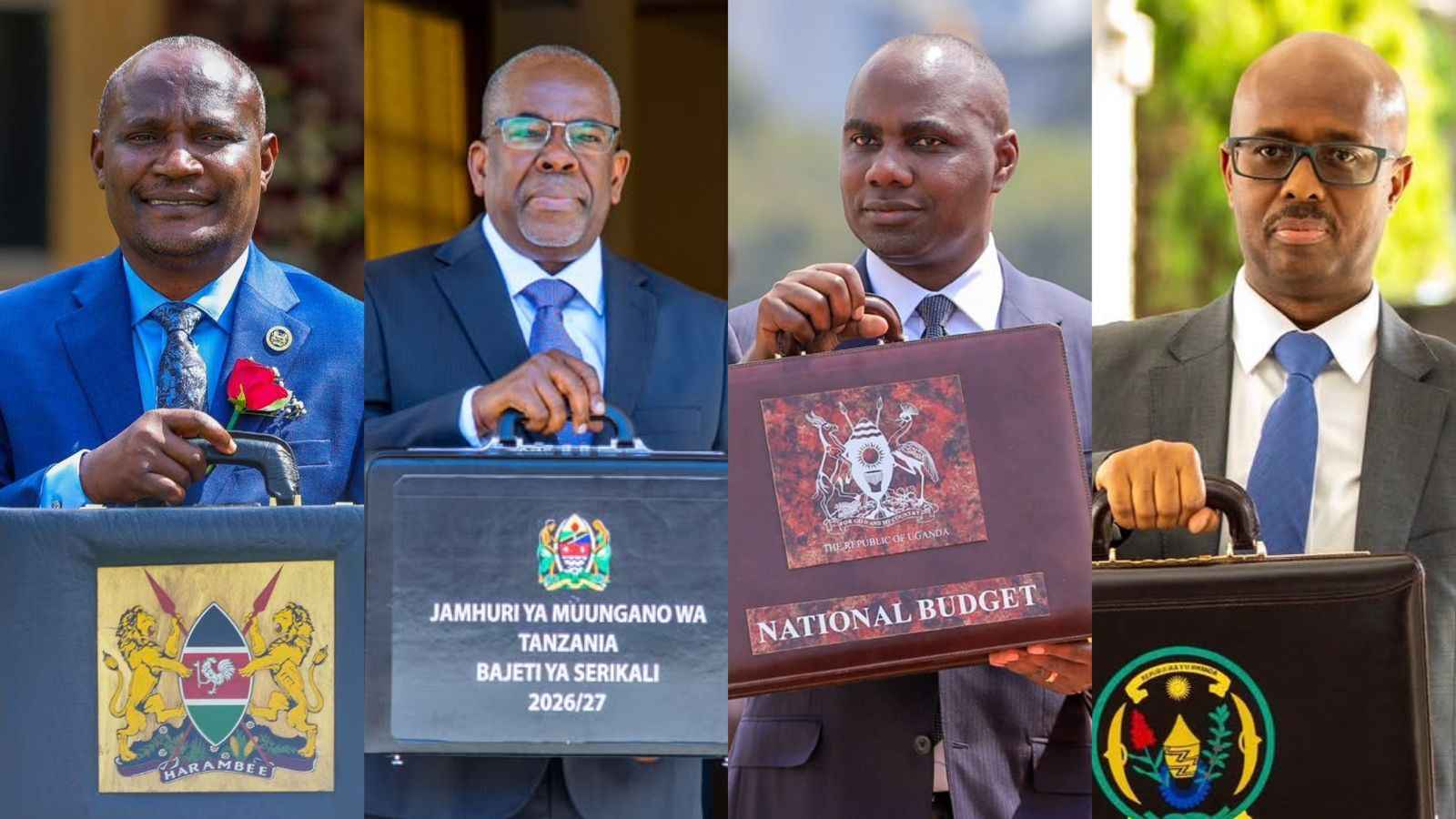
Kenya remains the largest spender among East African Community (EAC) countries that presented their national budgets on Thursday, June 11.
Kenya remains the largest spender among East African Community (EAC) countries that presented their national budgets on Thursday, June 11.
The country unveiled a Ksh4.82 trillion spending plan aimed at supporting education, county governments, infrastructure development, and ongoing fiscal reforms.
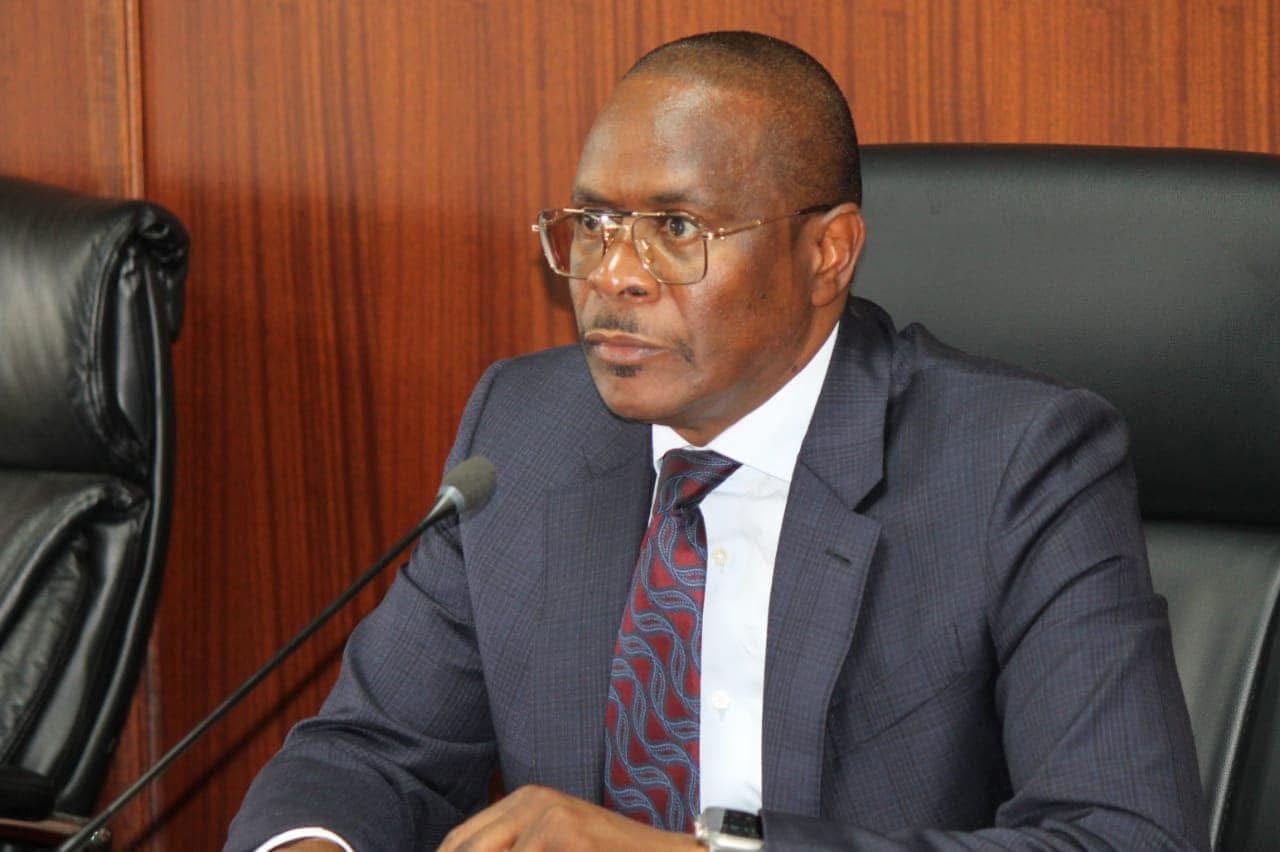
The 2026/27 Budget Statement was presented before the National Assembly in Nairobi by Treasury Cabinet Secretary John Mbadi.
Kenya’s budget, equivalent to approximately $37.3 billion, is the biggest among the four EAC member states that tabled their spending plans on the same day.
The Treasury noted that the budget was prepared amid heightened global uncertainties, including geopolitical tensions that continue to exert pressure on food and energy prices.
Read More
Despite the challenges, the government said Kenya’s economy has remained resilient, recording average growth of 5% between 2022 and 2025, outperforming both the global and Sub-Saharan African averages.
Economic growth is projected at 5% in 2026 and is expected to improve to 5.2% in 2027 as global conditions stabilise.
Tanzania’s budget was presented in Parliament in Dodoma by Finance Minister Khamis Mussa Omar, while Uganda’s was read at Kololo Independence Grounds by Finance Minister Henry Musasizi.
In Rwanda, Finance Minister Yusuf Murangwa tabled the budget proposal before Parliament in Kigali.

Tanzania announced a TZS62.33 trillion budget, equivalent to about US$24 billion, reflecting a 10.3 percent increase from the previous financial year.
Its priorities include railway expansion, digital transformation, and strategic investments to stimulate economic growth.
The government also introduced a one-year income tax holiday for new businesses to encourage investment and private sector expansion.
Tanzania is targeting economic growth of 6.3 percent while keeping its fiscal deficit below three percent of GDP.
Uganda presented a UGX84.4 trillion budget, valued at approximately US$22.5 billion.
The government is pursuing what it calls the full monetization of the economy through investments in commercial agriculture, industrialization, services, infrastructure, and digital transformation.
Oil production remains a key pillar of Uganda’s strategy, with expectations that it will significantly boost revenues and support a projected economic growth rate of 10.2 percent, the highest in the region.
Rwanda’s budget increased by 12 percent to RWF7.8 trillion, or about US$5.8 billion.
The country is prioritizing agriculture, irrigation, industrial development, job creation, social protection, and macroeconomic stability.
Rwanda is also expected to benefit from support from the International Monetary Fund (IMF) as it balances development spending with efforts to protect vulnerable households from global economic pressures.
A comparison of the four budgets shows that Kenya leads in total spending, while Uganda has set the most ambitious growth target.
Tanzania stands out for its pro-business tax measures, including incentives for new enterprises, whereas Kenya continues to focus on fiscal consolidation.
Rwanda and Uganda both place strong emphasis on agriculture, industrialization, and job creation as central drivers of economic transformation.


 (1)-1789720041.jpg)