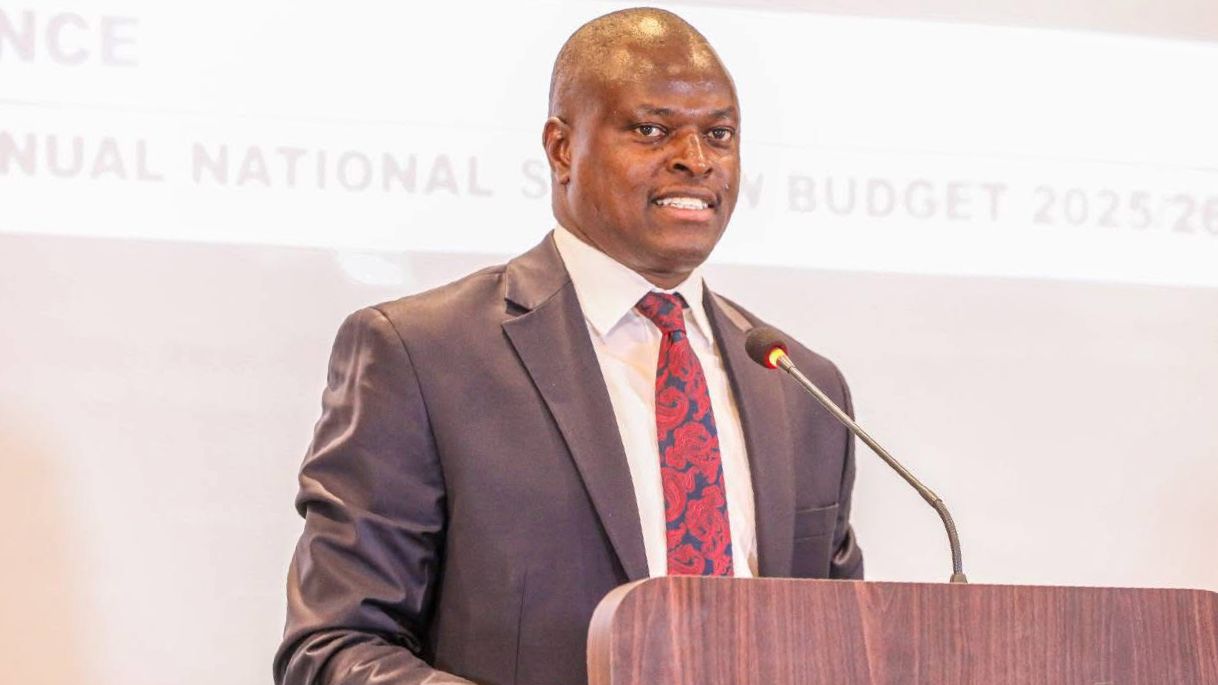
Former Public Service Cabinet Secretary Moses Kuria has warned that April could be one of the most economically challenging months as a result of the conflict in Iran.
In a post on Wednesday, April 1, Kuria predicted that fuel prices could jump up to Ksh250 per liter due to supply disruptions at the Strait of Hormuz, which is a key route for oil shipments.
“April will be the toughest and most brutal month of all time. The real effects of the regrettable war in Iran will take a toll on the global economy.
“The Hormuz effects of energy supply disruptions will hammer the global economy. In countries like Kenya, pump prices will end up in the region of Ksh230 to Ksh250 per litre,” Kuria stated.
The former CS cautioned the Kenyan government against attempting to come up with short-term solutions such as fuel subsidies or tax waivers to caution the public.
Read More

Kuria argued that such measures could undermine recent macroeconomic gains and could take the country a long time to recover.
“There will be pressure and temptations to apply knee-jerk and short-term solutions such as subsidies and foregoing tax revenues. This must be avoided at all costs.
“Messing up with the macro-economic gains achieved so far will come with consequences that cannot be undone even 2 years after the war,” he asserted.
Further, Kuria urged Kenyans to brace for the economic impact caused by the conflict in Iran, describing the situation as a ‘bitter pill’ that the country may have to endure.
This comes a day after President Ruto outlined measures the government is taking to safeguard Kenya’s fuel supply and cushion the economy from the ongoing Middle East crisis.
In a statement on Monday, March 30, Ruto revealed that the government had convened a high-level briefing involving key ministries and stakeholders to assess the situation and chart a way forward.
The Head of State addressed concerns over fuel supply and pricing, assuring Kenyans that contingency measures are already in place.
"Regarding petroleum products, while the impact on pricing is still being assessed, measures are being put in place to moderate any adverse effects and ensure that Kenya maintains adequate supplies," he stated.
Ruto noted that the Government-to-Government fuel procurement deal has played a key role in shielding the country from sudden price spikes.
"Rising international oil prices are already affecting consumers globally. However, the Government-to-Government fuel procurement arrangement has cushioned Kenyans from immediate shocks.
"This strategic intervention has mitigated price increases, ensured security of supply, and proven to be both prudent and forward-looking," he further said.
President Ruto added that authorities continue to monitor global fuel prices and are ready to intervene where necessary.
On agriculture, Ruto reassured farmers of stable fertiliser availability despite global uncertainties.
"On fertiliser, I wish to assure the nation that no disruptions are expected. We have sufficient supplies to support the current rainy season through to September this year," he explained
-1778914749.jpg)